
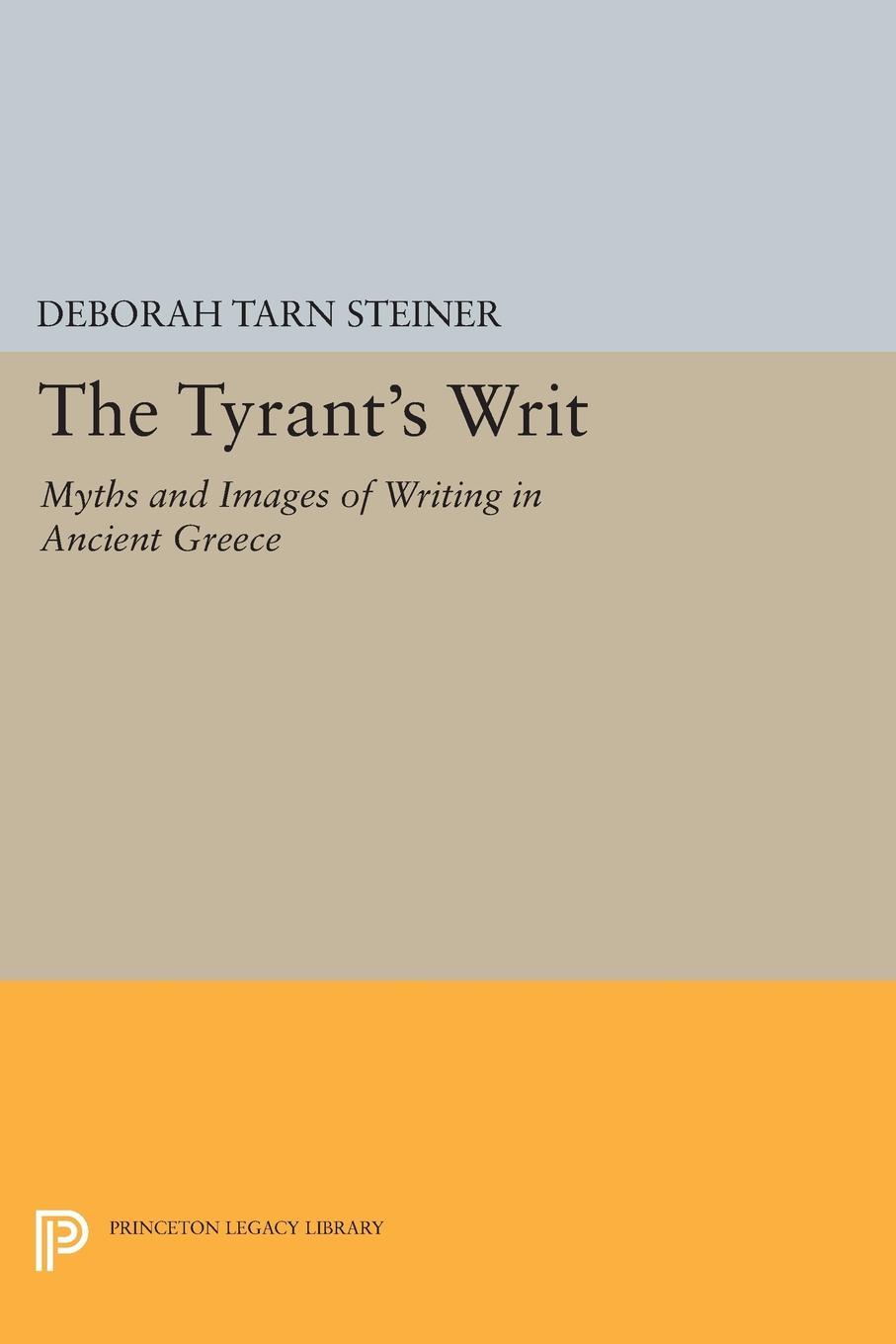
Covering material as diverse as curse tablets, coins, tattoos, and legal decrees, Deborah Steiner explores the reception of writing in archaic and classical Greece. She moves beyond questions concerning ancient literacy and the origins of the Greek alphabet to examine representations of writing in the myths and imaginative literature of the period. Maintaining that the Greek alphabet was not seen purely as a means of transcribing and preserving the spoken word, the author investigates parallels between writing and other signifiers, such as omens, tokens, and talismans; the role of inscription in religious rites, including cursing, oath-taking, and dedication; and perceptions of how writing functioned both in autocracies and democracies.
Particularly innovative is the suggestion that fifth-century Greek historians and dramatists portrayed writing as an essential tool of tyrants, who not only issue written decrees but also "inscribe" human bodies with brands and cut up land with compasses and rules. The despotic overtones associated with writing inform discussion of its function in democracies. Although writing could promote equal justice, ancient sources also linked this activity with historical and mythical figures who opposed the populist regime. By examining this highly nuanced portrayal of writing, Steiner offers a new perspective on ancient views of written law and its role in fifth-century Athenian democracy.
Originally published in 1994.
The Princeton Legacy Library uses the latest print-on-demand technology to again make available previously out-of-print books from the distinguished backlist of Princeton University Press. These editions preserve the original texts of these important books while presenting them in durable paperback and hardcover editions. The goal of the Princeton Legacy Library is to vastly increase access to the rich scholarly heritage found in the thousands of books published by Princeton University Press since its founding in 1905.
Pay easily by card, Klarna, Apple Pay or Google Pay. Not happy? You always have a 14-day money-back guarantee. Read more in our terms. If you have any questions, email us at hello@memmo.org.
Memmo makes studying easier – wherever you are in the world. We bring your course books and smart study tools together in one place: summaries, quizzes, podcasts and flashcards. Plus Ted, your study buddy who answers anything you wonder. Over 75,000 students already study here – built to help you learn faster and stress less.