
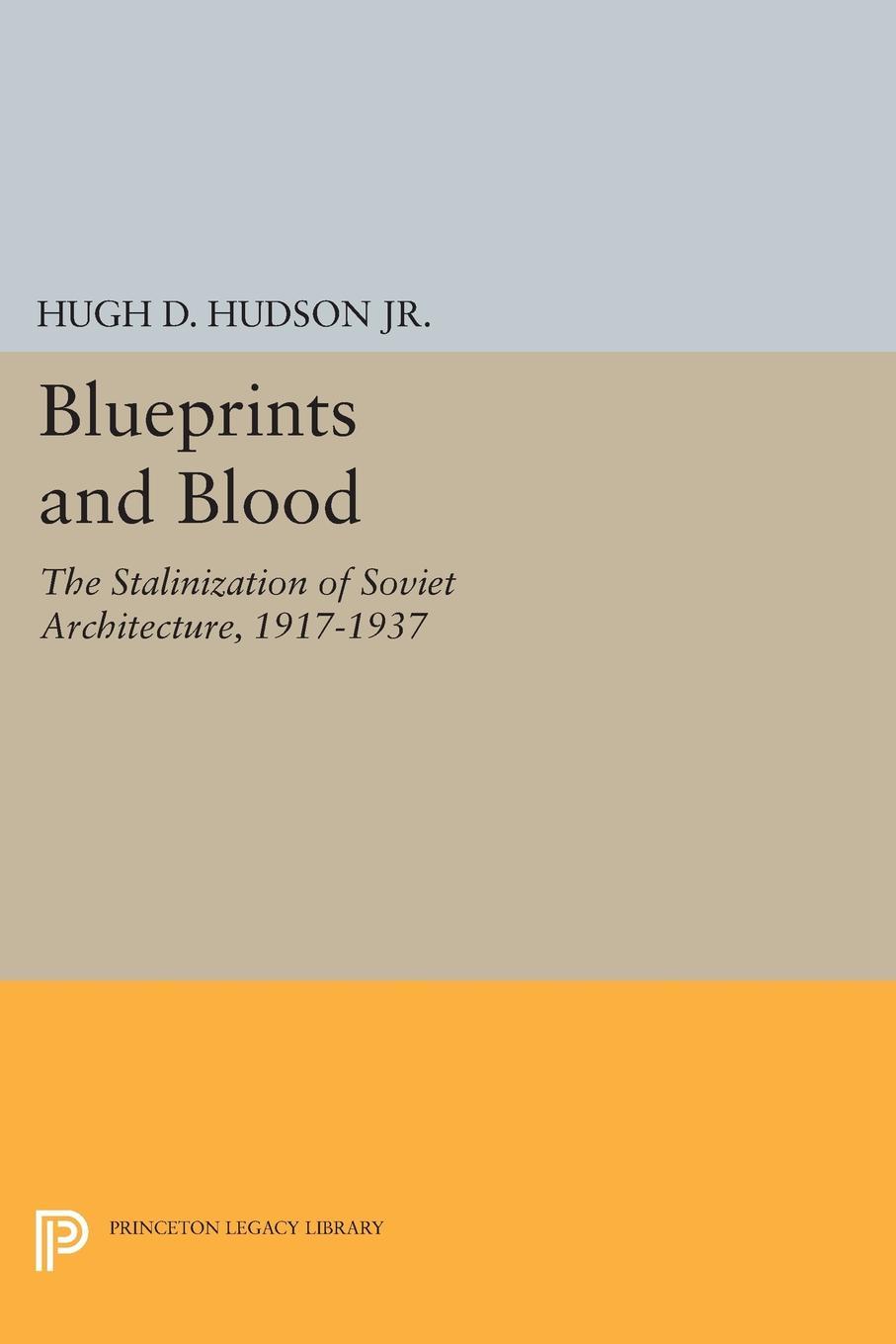
Analyzing "totalitarianism from below" in a crucial area of Soviet culture, Hugh Hudson shows how Stalinist forces within the architectural community destroyed an avant-garde movement of urban planners and architects, who attempted to create a more humane built environment for the Soviet people. Through a study of the ideas and constructions of these visionary reformers, Hudson explores their efforts to build new forms of housing and "settlements" designed to free the residents, especially women, from drudgery, allowing them to participate in creative work and to enjoy the "songs of larks." Resolving to obliterate this movement of human liberation, Stalinists in the field of architecture unleashed a "little" terror from below, prior to Stalin's Great Terror.
Using formerly secret Party archives made available by perestroika, Hudson finds in the rediscovered theoretical work of the avant-garde architects a new understanding of their aims. He shows, for instance, how they saw the necessity of bringing elite desires for a transformed world into harmony with the people's wish to preserve national culture. Such goals brought their often divided movement into conflict with the Stalinists, especially on the subject of collectivization. Hudson's provocative work offers evidence that in spite of the ultimate success of the Stalinists, the Bolshevik Revolution was not monolithic: at one time it offered real architectural and human alternatives to the Terror.
Originally published in 1993.
The Princeton Legacy Library uses the latest print-on-demand technology to again make available previously out-of-print books from the distinguished backlist of Princeton University Press. These editions preserve the original texts of these important books while presenting them in durable paperback and hardcover editions. The goal of the Princeton Legacy Library is to vastly increase access to the rich scholarly heritage found in the thousands of books published by Princeton University Press since its founding in 1905.
Pay easily by card, Klarna, Apple Pay or Google Pay. Not happy? You always have a 14-day money-back guarantee. Read more in our terms. If you have any questions, email us at hello@memmo.org.
Memmo makes studying easier – wherever you are in the world. We bring your course books and smart study tools together in one place: summaries, quizzes, podcasts and flashcards. Plus Ted, your study buddy who answers anything you wonder. Over 75,000 students already study here – built to help you learn faster and stress less.