
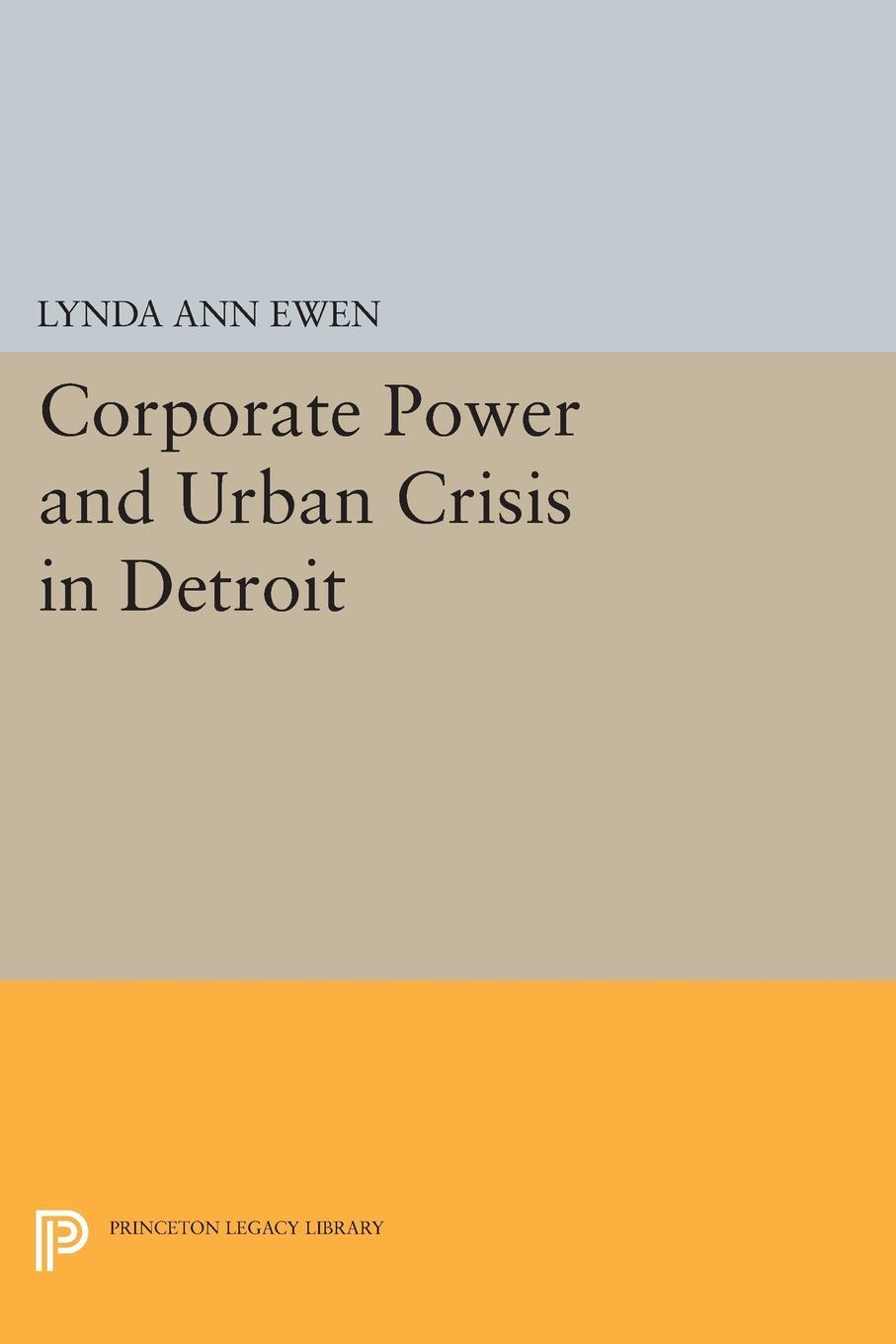
Lynda Ann Ewen offers the first thoroughgoing Marxist-Leninist analysis, based on primary research, of the structure and dynamics of class relations and corporate power in a major U.S. metropolitan area. She contends that Detroit's urban crisis is not a temporary aberration in a good system run amuck, but the logical result of years of social planning and the use of human and natural resources for the benefit of the few.
In general, analyses of the problems in American society have endorsed capitalist ideals and assumptions. Nevertheless, these analyses and the reform measures that have accompanied them in the past decade have done little to alleviate the plight of the cities. To determine what action should now be taken, Professor Ewen focuses on the development of class conflict in the United States and its manifestations in Detroit. The author analyzes kinship and also ownership and control of the major firms in Detroit. The contradictions that led to the urban crisis, she concludes, are inherent in the fundamental nature of a class society, in which the social means of production are privately owned by an elite group who must produce profits at all costs. She argues that to protect its interests and prepare the way for socialism, the working class requires a grasp of its historical and present opposition to the ruling class.
Originally published in 1978.
The Princeton Legacy Library uses the latest print-on-demand technology to again make available previously out-of-print books from the distinguished backlist of Princeton University Press. These editions preserve the original texts of these important books while presenting them in durable paperback and hardcover editions. The goal of the Princeton Legacy Library is to vastly increase access to the rich scholarly heritage found in the thousands of books published by Princeton University Press since its founding in 1905.
Pay easily by card, Klarna, Apple Pay or Google Pay. Not happy? You always have a 14-day money-back guarantee. Read more in our terms. If you have any questions, email us at hello@memmo.org.
Memmo makes studying easier – wherever you are in the world. We bring your course books and smart study tools together in one place: summaries, quizzes, podcasts and flashcards. Plus Ted, your study buddy who answers anything you wonder. Over 50,000 students already study here – built to help you learn faster and stress less.