
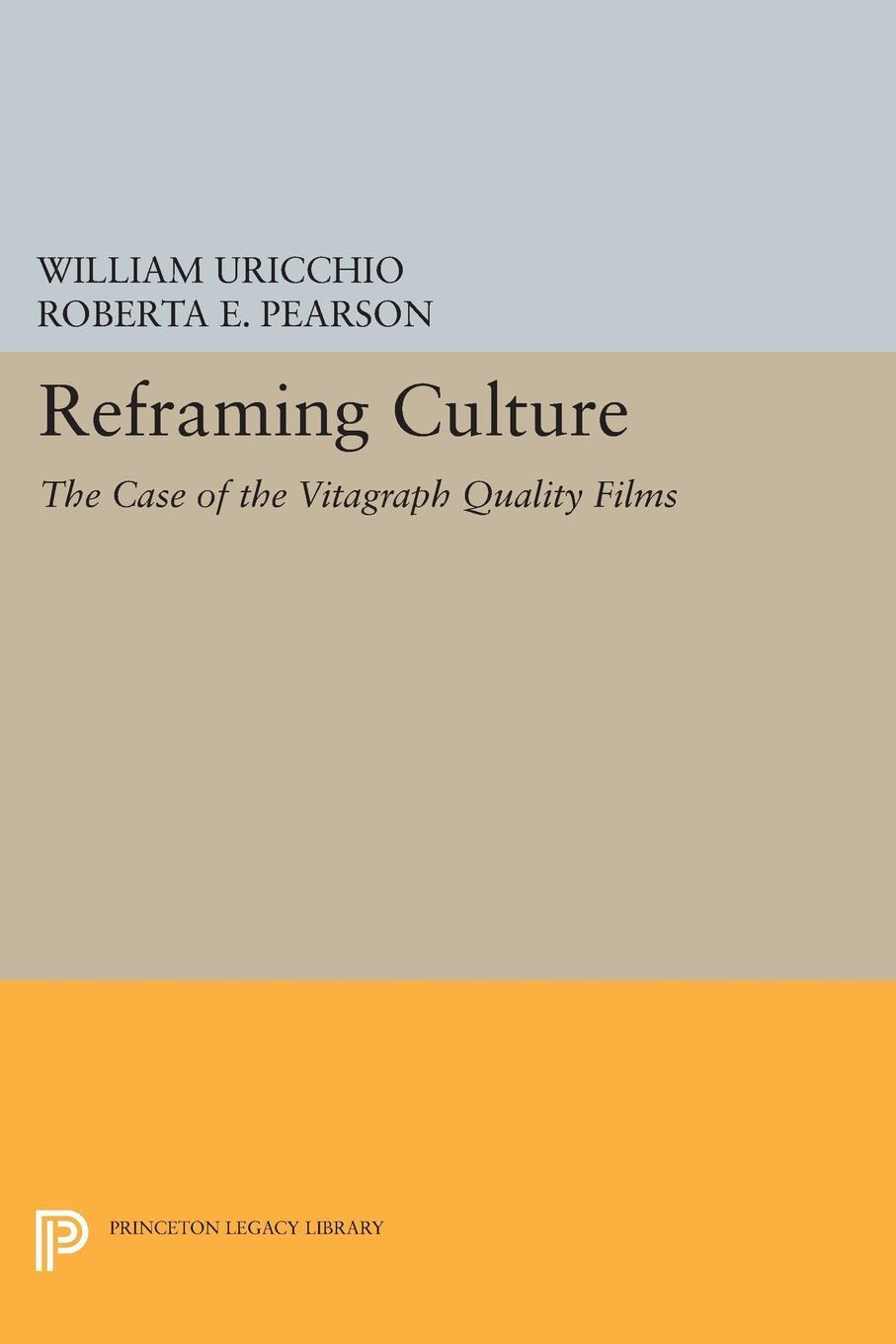
The works of Shakespeare and Dante or the figures of George Washington and Moses do not often enter into popular conceptions of the silent cinema, yet, between 1907 and 1910, the Vitagraph Company frequently used such material in producing "quality" films that promulgated "respectable" culture. William Uricchio and Roberta Pearson situate these films in an era of immigration, labor unrest, and mainstream American xenophobia, in order to explore the cultural views promoted by the films and the ways the audiences--the middle classes as well as workers and immigrants--related to what they saw. The authors associate the production of quality films with a top-down forging of cultural consensus on issues such as patriotism and morality, and reveal the surprising bottom-up negotiations of these films' "meanings.".
Devoting chapters to the literary, historical, and biblical subjects used by Vitagraph, this book draws upon plays, pageants, school textbooks, and even product advertisements to illuminate the conditions of cinematic production and reception. It provides a detailed look at one aspect of the film industry's transformation from "despised cheap amusement" to the nation's dominant mass medium, while showing how cultural elites engaged in a struggle similar to that of today's American academy over the literary canon and national value systems.
Originally published in 1993.
The Princeton Legacy Library uses the latest print-on-demand technology to again make available previously out-of-print books from the distinguished backlist of Princeton University Press. These editions preserve the original texts of these important books while presenting them in durable paperback and hardcover editions. The goal of the Princeton Legacy Library is to vastly increase access to the rich scholarly heritage found in the thousands of books published by Princeton University Press since its founding in 1905.
Pay easily by card, Klarna, Apple Pay or Google Pay. Not happy? You always have a 14-day money-back guarantee. Read more in our terms. If you have any questions, email us at hello@memmo.org.
Memmo makes studying easier – wherever you are in the world. We bring your course books and smart study tools together in one place: summaries, quizzes, podcasts and flashcards. Plus Ted, your study buddy who answers anything you wonder. Over 50,000 students already study here – built to help you learn faster and stress less.