
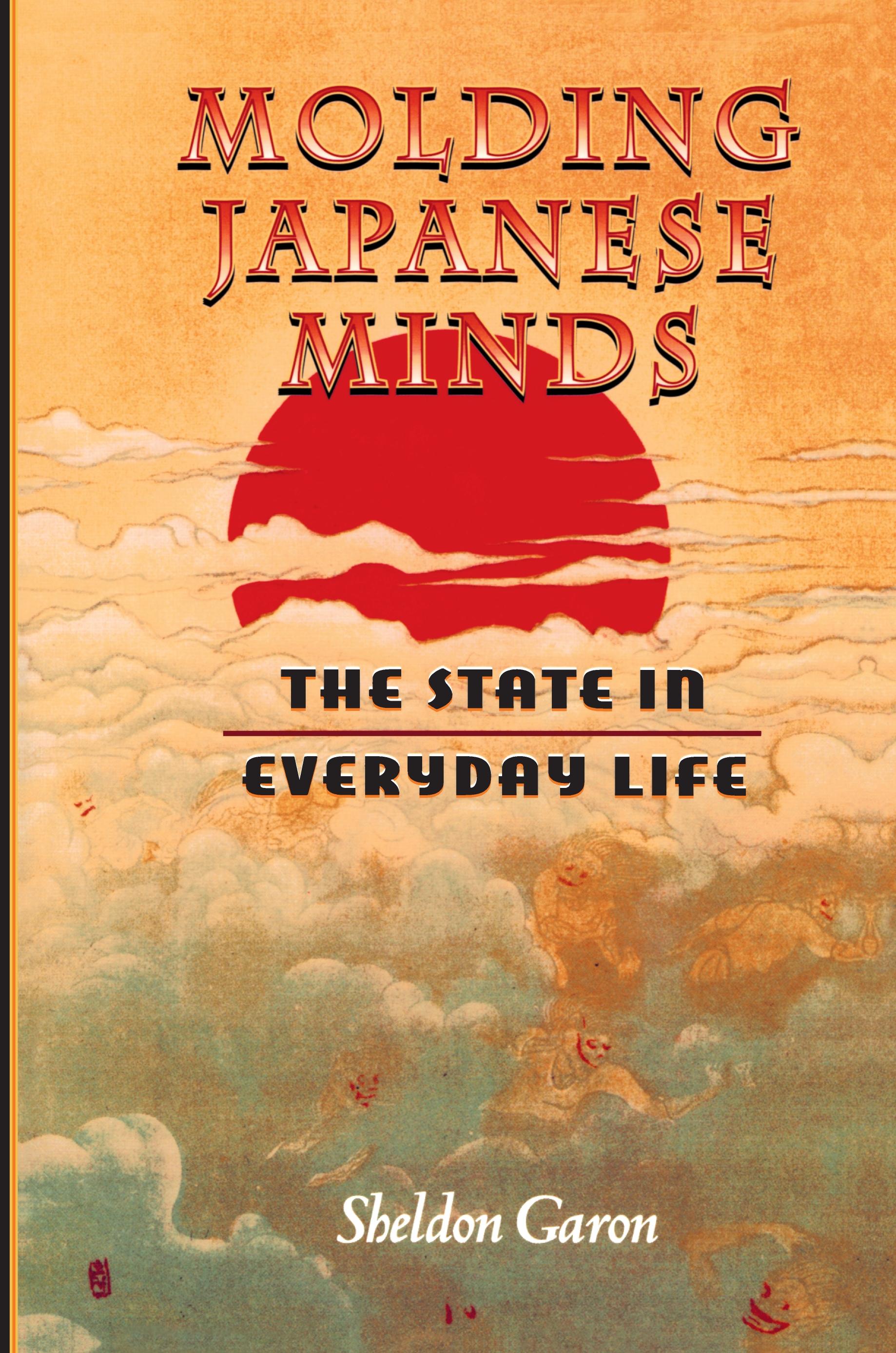
How has the Japanese government persuaded its citizens to save substantial portions of their incomes? And to care for the elderly within the family? How did the public come to support legalized prostitution as in the national interest? What roles have women's groups played in Japan's "economic miracle"? What actually unites the Japanese to achieve so many economic and social goals that have eluded other polities? Here Sheldon Garon helps us to understand this mobilizing spirit as he taps into the intimate relationships everyday Japanese have with their government. To an extent inconceivable to most Westerners, state directives trickle into homes, religious groups, and even into individuals' sex lives, where they are frequently welcomed by the Japanese and reinforced by their neighbors. In a series of five compelling case studies, Garon demonstrates how average citizens have cooperated with government officials in the areas of welfare, prostitution, and household savings, and in controlling religious "cults" and promoting the political participation of women.
The state's success in creating a nation of activists began before World War II, and has hinged on campaigns that mobilize the people behind various policies and encourage their involvement at the local level. For example, neighborhoods have been socially managed on a volunteer basis by small-business owners and housewives, who strive to rid their locales of indolence and to contain welfare costs. The story behind the state regulation of prostitution is a more turbulent one in which many lauded the flourishing brothels for preserving Japanese tradition and strengthening the "family system," while others condemned the sexual enslavement of young women.
In each case, we see Japanese citizens working closely with the state to recreate "community" and shape the thought and behavior of fellow citizens. The policies often originate at the top, but in the hands of activists they take on added vigor. This phenomenon, which challenges the conventional dichotomy of the "state" versus the "people," is well worth exploring as Western governments consider how best to manage their own changing societies.
Pay easily by card, Klarna, Apple Pay or Google Pay. Not happy? You always have a 14-day money-back guarantee. Read more in our terms. If you have any questions, email us at hello@memmo.org.
Memmo makes studying easier – wherever you are in the world. We bring your course books and smart study tools together in one place: summaries, quizzes, podcasts and flashcards. Plus Ted, your study buddy who answers anything you wonder. Over 50,000 students already study here – built to help you learn faster and stress less.