
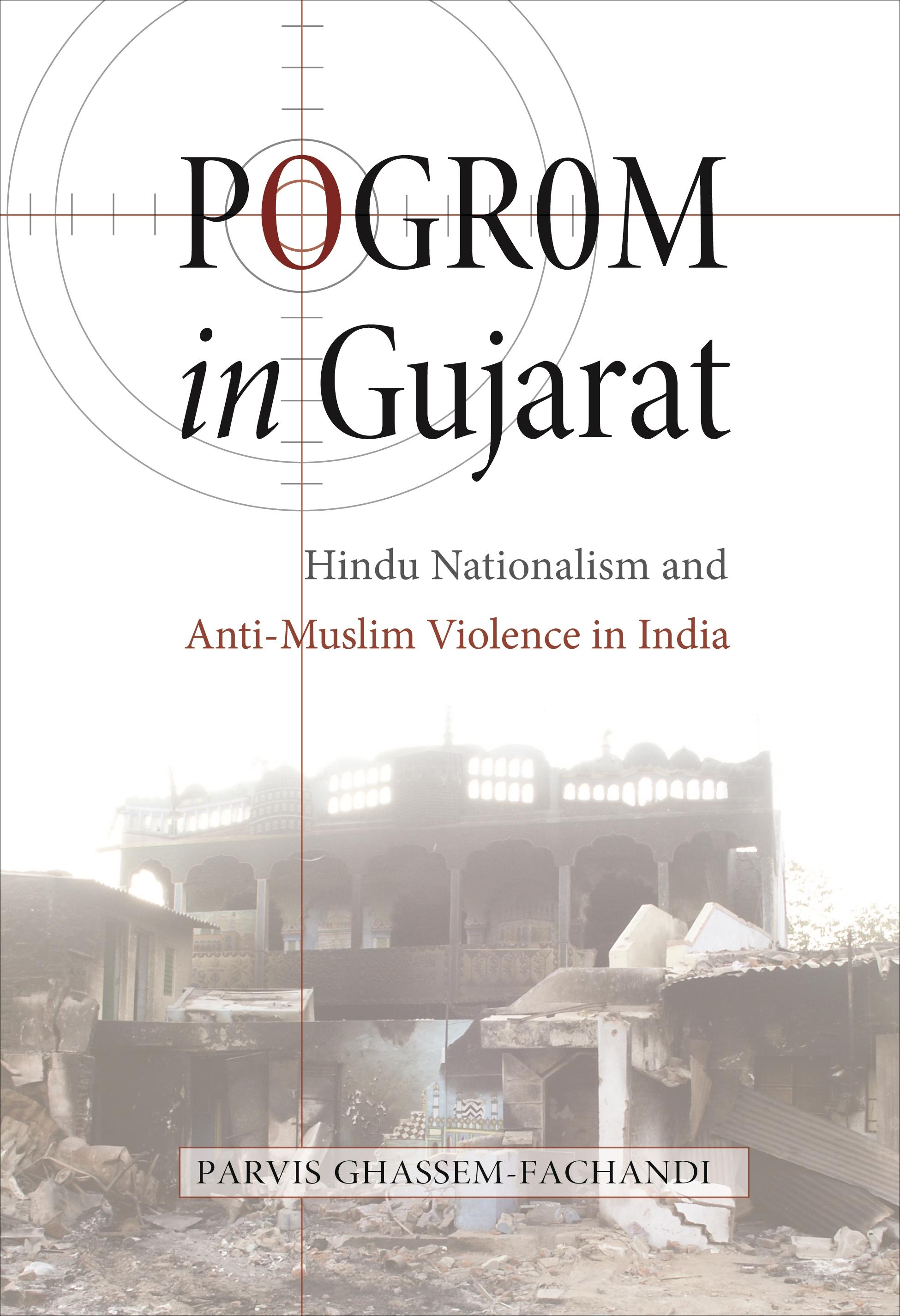
In 2002, after an altercation between Muslim vendors and Hindu travelers at a railway station in the Indian state of Gujarat, fifty-nine Hindu pilgrims were burned to death. The ruling nationalist Bharatiya Janata Party blamed Gujarat's entire Muslim minority for the tragedy and incited fellow Hindus to exact revenge. The resulting violence left more than one thousand people dead--most of them Muslims--and tens of thousands more displaced from their homes. Parvis Ghassem-Fachandi witnessed the bloodshed up close. In Pogrom in Gujarat, he provides a riveting ethnographic account of collective violence in which the doctrine of ahimsa--or nonviolence--and the closely associated practices of vegetarianism became implicated by legitimating what they formally disavow.
Ghassem-Fachandi looks at how newspapers, movies, and other media helped to fuel the pogrom. He shows how the vegetarian sensibilities of Hindus and the language of sacrifice were manipulated to provoke disgust against Muslims and mobilize the aspiring middle classes across caste and class differences in the name of Hindu nationalism. Drawing on his intimate knowledge of Gujarat's culture and politics and the close ties he shared with some of the pogrom's sympathizers, Ghassem-Fachandi offers a strikingly original interpretation of the different ways in which Hindu proponents of ahimsa became complicit in the very violence they claimed to renounce.
Pay easily by card, Klarna, Apple Pay or Google Pay. Not happy? You always have a 14-day money-back guarantee. Read more in our terms. If you have any questions, email us at hello@memmo.org.
Memmo makes studying easier – wherever you are in the world. We bring your course books and smart study tools together in one place: summaries, quizzes, podcasts and flashcards. Plus Ted, your study buddy who answers anything you wonder. Over 50,000 students already study here – built to help you learn faster and stress less.