
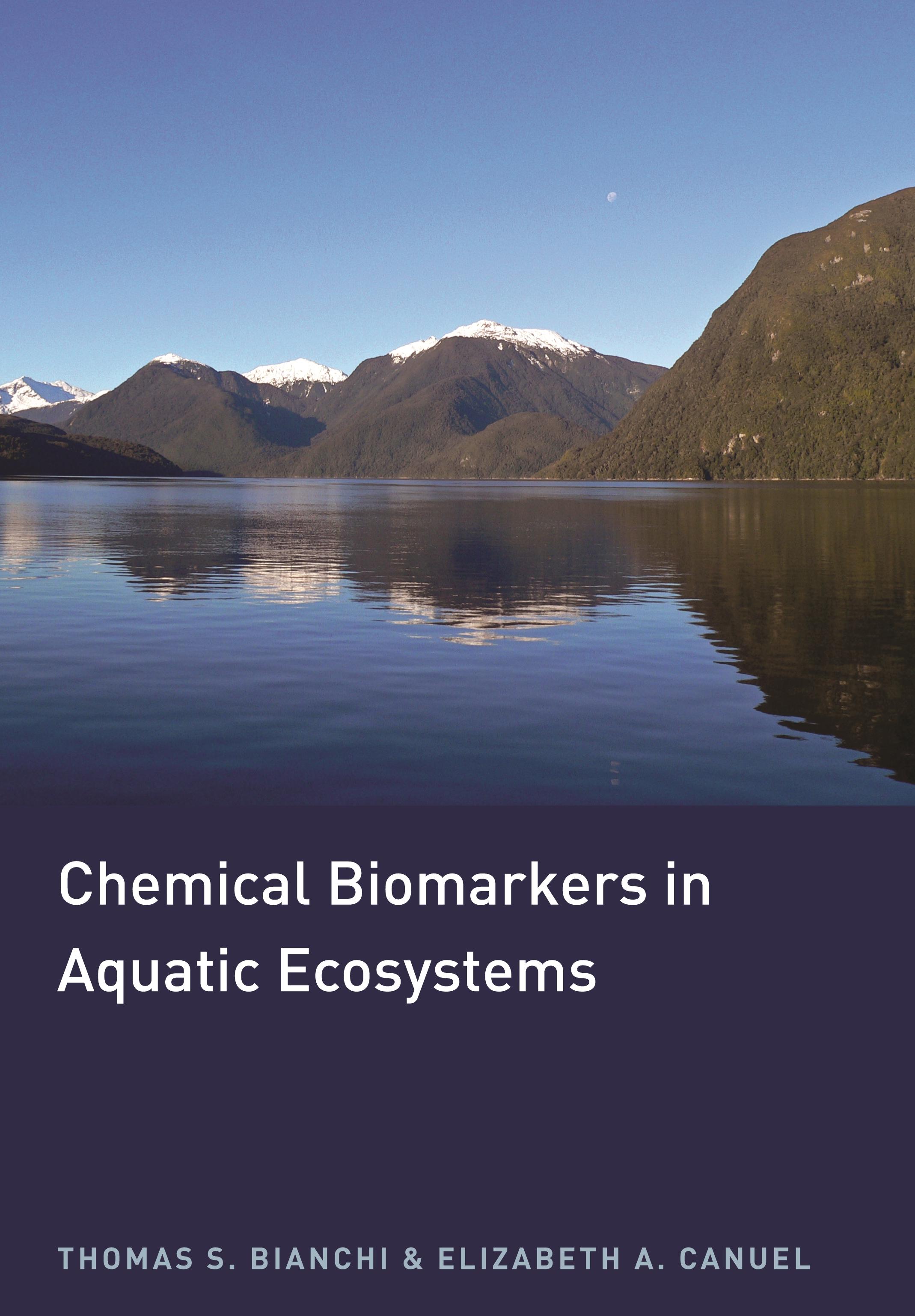
This textbook provides a unique and thorough look at the application of chemical biomarkers to aquatic ecosystems. Defining a chemical biomarker as a compound that can be linked to particular sources of organic matter identified in the sediment record, the book indicates that the application of these biomarkers for an understanding of aquatic ecosystems consists of a biogeochemical approach that has been quite successful but underused. This book offers a wide-ranging guide to the broad diversity of these chemical biomarkers, is the first to be structured around the compounds themselves, and examines them in a connected and comprehensive way.
This timely book is appropriate for advanced undergraduate and graduate students seeking training in this area; researchers in biochemistry, organic geochemistry, and biogeochemistry; researchers working on aspects of organic cycling in aquatic ecosystems; and paleoceanographers, petroleum geologists, and ecologists.
- Provides a guide to the broad diversity of chemical biomarkers in aquatic environments
- The first textbook to be structured around the compounds themselves
- Describes the structure, biochemical synthesis, analysis, and reactivity of each class of biomarkers
- Offers a selection of relevant applications to aquatic systems, including lakes, rivers, estuaries, oceans, and paleoenvironments
- Demonstrates the utility of using organic molecules as tracers of processes occurring in aquatic ecosystems, both modern and ancient
Pay easily by card, Klarna, Apple Pay or Google Pay. Not happy? You always have a 14-day money-back guarantee. Read more in our terms. If you have any questions, email us at hello@memmo.org.
Memmo makes studying easier – wherever you are in the world. We bring your course books and smart study tools together in one place: summaries, quizzes, podcasts and flashcards. Plus Ted, your study buddy who answers anything you wonder. Over 50,000 students already study here – built to help you learn faster and stress less.