
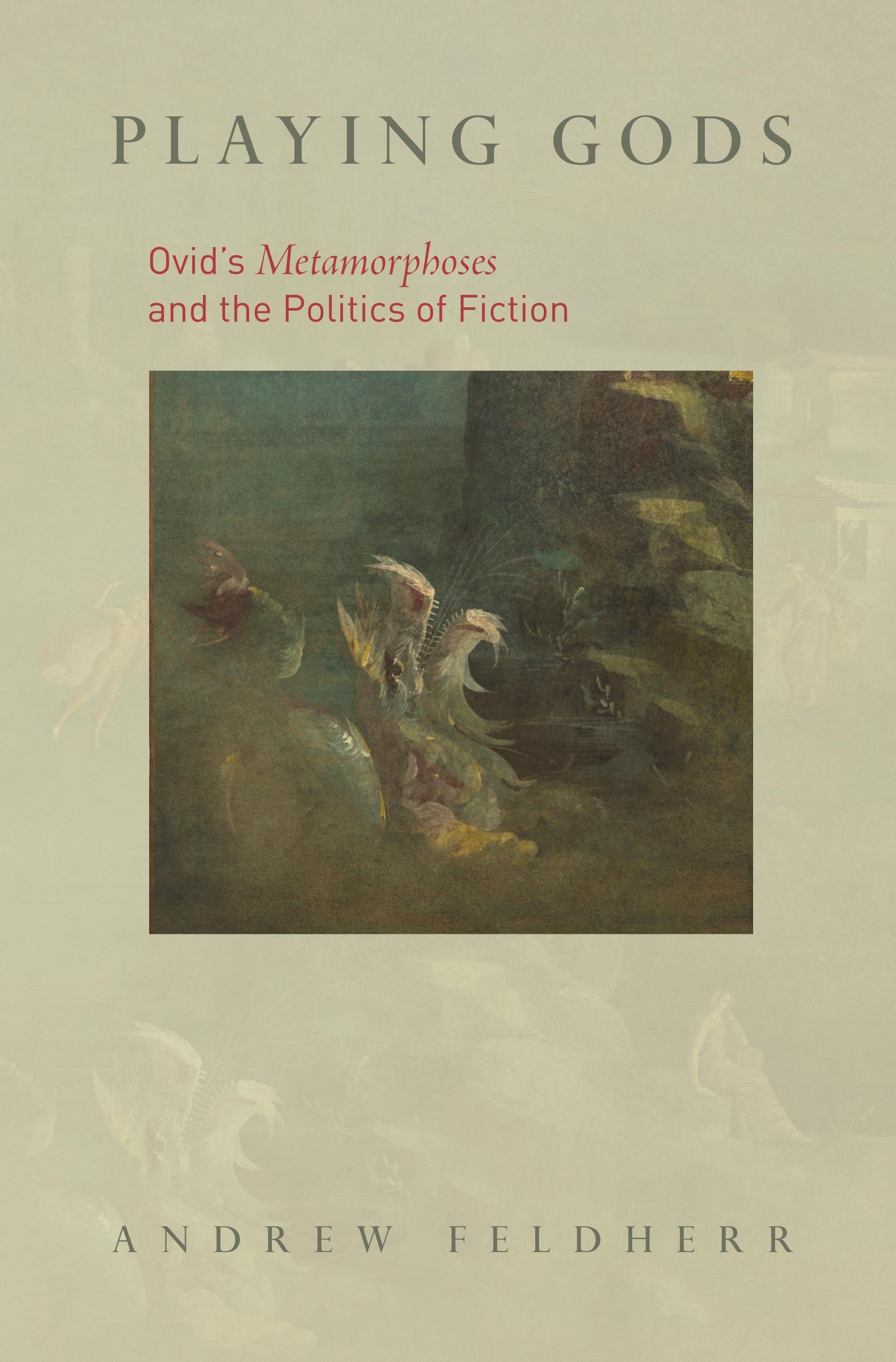
This book offers a novel interpretation of politics and identity in Ovid's epic poem of transformations, the Metamorphoses. Reexamining the emphatically fictional character of the poem, Playing Gods argues that Ovid uses the problem of fiction in the text to redefine the power of poetry in Augustan Rome. The book also provides the fullest account yet of how the poem relates to the range of cultural phenomena that defined and projected Augustan authority, including spectacle, theater, and the visual arts.
Andrew Feldherr argues that a key to the political as well as literary power of the Metamorphoses is the way it manipulates its readers' awareness that its stories cannot possibly be true. By continually juxtaposing the imaginary and the real, Ovid shows how a poem made up of fictions can and cannot acquire the authority and presence of other discursive forms. One important way that the poem does this is through narratives that create a "double vision" by casting characters as both mythical figures and enduring presences in the physical landscapes of its readers. This narrative device creates the kind of tensions between identification and distance that Augustan Romans would have felt when experiencing imperial spectacle and other contemporary cultural forms.
Full of original interpretations, Playing Gods constructs a model for political readings of fiction that will be useful not only to classicists but to literary theorists and cultural historians in other fields.
Pay easily by card, Klarna, Apple Pay or Google Pay. Not happy? You always have a 14-day money-back guarantee. Read more in our terms. If you have any questions, email us at hello@memmo.org.
Memmo makes studying easier – wherever you are in the world. We bring your course books and smart study tools together in one place: summaries, quizzes, podcasts and flashcards. Plus Ted, your study buddy who answers anything you wonder. Over 75,000 students already study here – built to help you learn faster and stress less.