
On January 29, 2001, President George W. Bush signed an executive order creating the White House Office of Faith-Based and Community Initiatives. This action marked a key step toward institutionalizing an idea that emerged in the mid-1990s under the Clinton administration--the transfer of some social programs from government control to religious organizations. However, despite an increasingly vocal, ideologically charged national debate--a debate centered on such questions as: What are these organizations doing? How well are they doing it? Should they be supported with tax dollars?--solid answers have been few.
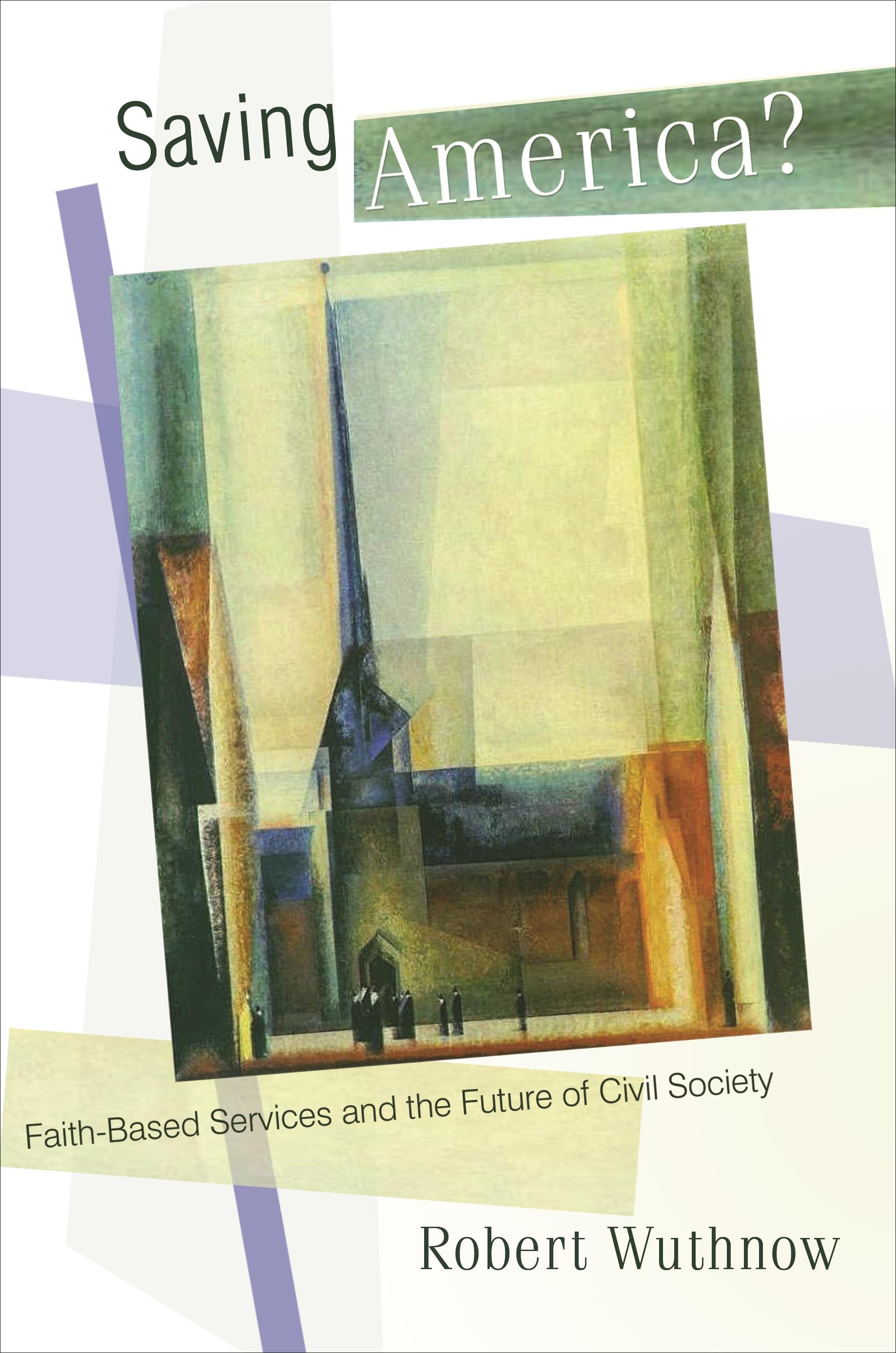
In Saving America? Robert Wuthnow provides a wealth of up-to-date information whose absence, until now, has hindered the pursuit of answers. Assembling and analyzing new evidence from research he and others have conducted, he reveals what social support faith-based agencies are capable of providing. Among the many questions he addresses: Are congregations effective vehicles for providing broad-based social programs, or are they best at supporting their own members? How many local congregations have formal programs to assist needy families? How much money do such programs represent? How many specialized faith-based service agencies are there, and which are most effective? Are religious organizations promoting trust, love, and compassion?
The answers that emerge demonstrate that American religion is helping needy families and that it is, more broadly, fostering civil society. Yet religion alone cannot save America from the broad problems it faces in providing social services to those who need them most.
Elegantly written, Saving America? represents an authoritative and evenhanded benchmark of information for the current--and the coming--debate.
Pay easily by card, Klarna, Apple Pay or Google Pay. Not happy? You always have a 14-day money-back guarantee. Read more in our terms. If you have any questions, email us at hello@memmo.org.
Memmo makes studying easier – wherever you are in the world. We bring your course books and smart study tools together in one place: summaries, quizzes, podcasts and flashcards. Plus Ted, your study buddy who answers anything you wonder. Over 50,000 students already study here – built to help you learn faster and stress less.