
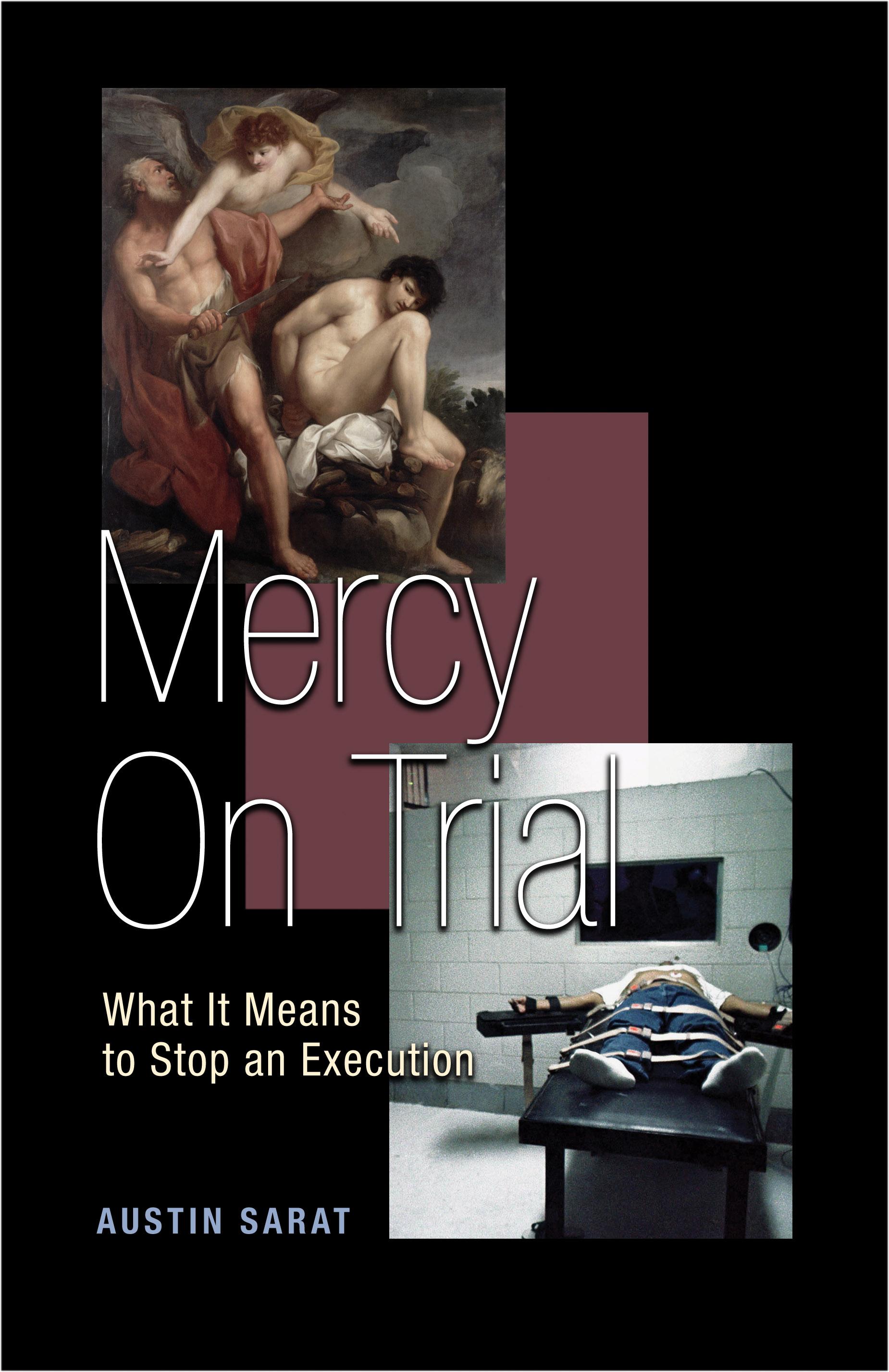
On January 11, 2003, Illinois Governor George Ryan--a Republican on record as saying that "some crimes are so horrendous . . . that society has a right to demand the ultimate penalty"--commuted the capital sentences of all 167 prisoners on his state's death row. Critics demonized Ryan. For opponents of capital punishment, however, Ryan became an instant hero whose decision was seen as a signal moment in the "new abolitionist" politics to end killing by the state.
In this compelling and timely work, Austin Sarat provides the first book-length work on executive clemency. He turns our focus from questions of guilt and innocence to the very meaning of mercy. Starting from Ryan's controversial decision, Mercy on Trial uses the lens of executive clemency in capital cases to discuss the fraught condition of mercy in American political life. Most pointedly, Sarat argues that mercy itself is on trial. Although it has always had a problematic position as a form of "lawful lawlessness," it has come under much more intense popular pressure and criticism in recent decades. This has yielded a radical decline in the use of the power of chief executives to stop executions.
From the history of capital clemency in the twentieth century to surrounding legal controversies and philosophical debates about when (if ever) mercy should be extended, Sarat examines the issue comprehensively. In the end, he acknowledges the risks associated with mercy--but, he argues, those risks are worth taking.
Pay easily by card, Klarna, Apple Pay or Google Pay. Not happy? You always have a 14-day money-back guarantee. Read more in our terms. If you have any questions, email us at hello@memmo.org.
Memmo makes studying easier – wherever you are in the world. We bring your course books and smart study tools together in one place: summaries, quizzes, podcasts and flashcards. Plus Ted, your study buddy who answers anything you wonder. Over 50,000 students already study here – built to help you learn faster and stress less.