
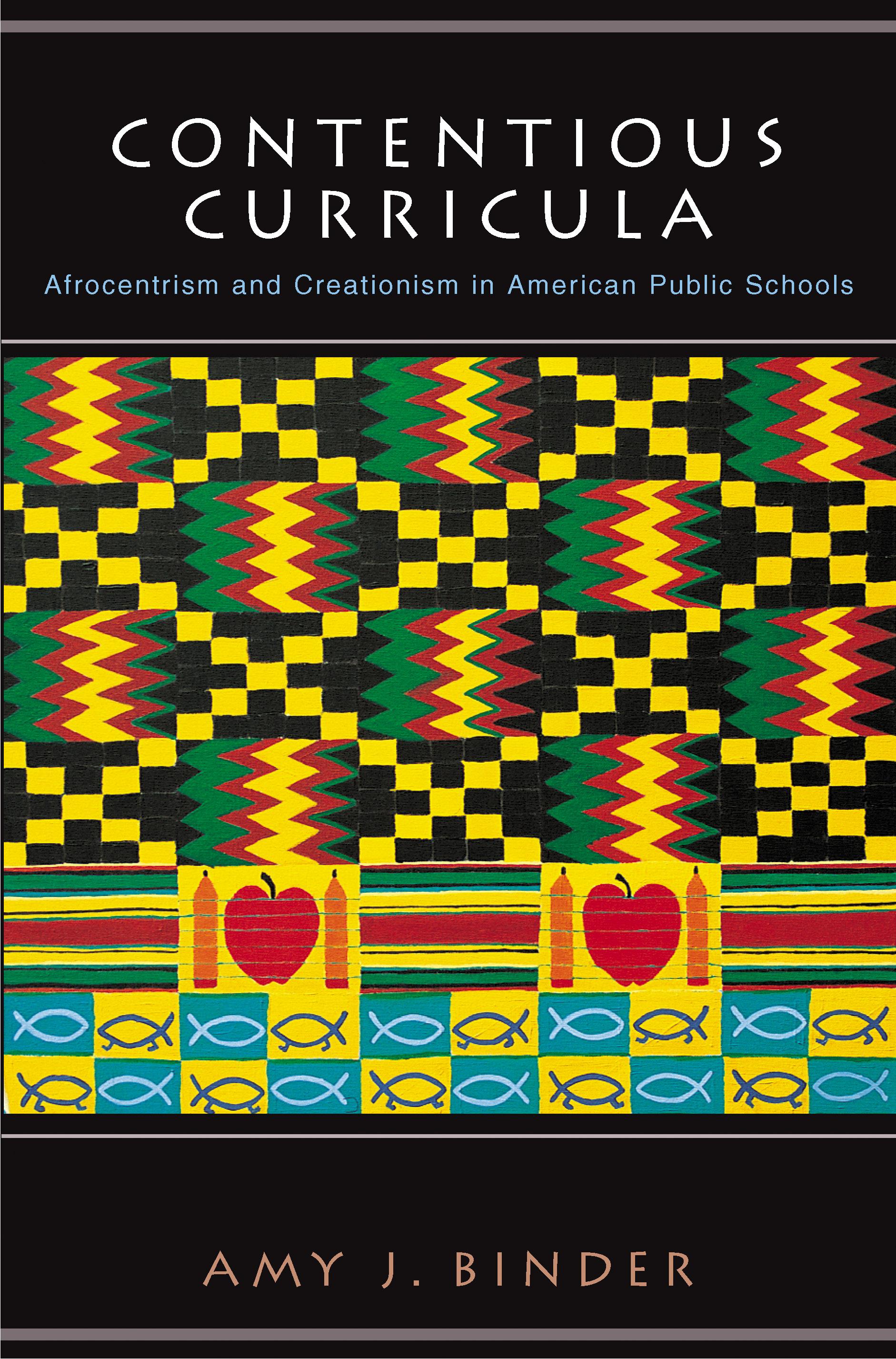
This book compares two challenges made to American public school curricula in the 1980s and 1990s. It identifies striking similarities between proponents of Afrocentrism and creationism, accounts for their differential outcomes, and draws important conclusions for the study of culture, organizations, and social movements.
Amy Binder gives a brief history of both movements and then describes how their challenges played out in seven school districts. Despite their very different constituencies--inner-city African American cultural essentialists and predominately white suburban Christian conservatives--Afrocentrists and creationists had much in common. Both made similar arguments about oppression and their children's well-being, both faced skepticism from educators about their factual claims, and both mounted their challenges through bureaucratic channels. In each case, challenged school systems were ultimately able to minimize or reject challengers' demands, but the process varied by case and type of challenge. Binder finds that Afrocentrists were more successful in advancing their cause than were creationists because they appeared to offer a solution to the real problem of urban school failure, met with more administrative sympathy toward their complaints of historic exclusion, sought to alter lower-prestige curricula (history, not science), and faced opponents who lacked a legal remedy comparable to the rule of church-state separation invoked by creationism's opponents.
Binder's analysis yields several lessons for social movements research, suggesting that researchers need to pay greater attention to how movements seek to influence bureaucratic decision making, often from within. It also demonstrates the benefits of examining discursive, structural, and institutional factors in concert.
Pay easily by card, Klarna, Apple Pay or Google Pay. Not happy? You always have a 14-day money-back guarantee. Read more in our terms. If you have any questions, email us at hello@memmo.org.
Memmo makes studying easier – wherever you are in the world. We bring your course books and smart study tools together in one place: summaries, quizzes, podcasts and flashcards. Plus Ted, your study buddy who answers anything you wonder. Over 50,000 students already study here – built to help you learn faster and stress less.