
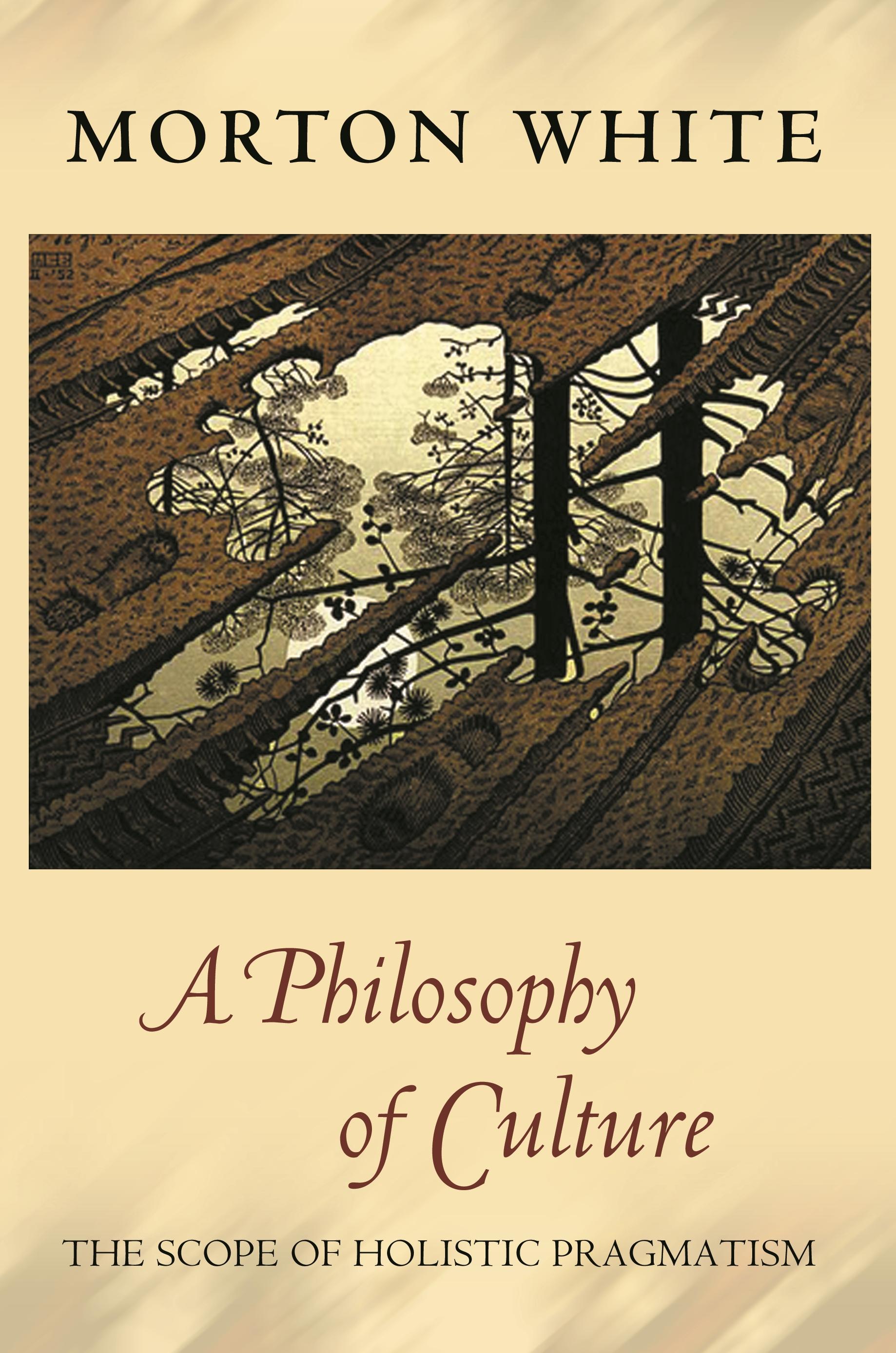
In this book, one of America's leading philosophers offers a sweeping reconsideration of the philosophy of culture in the twentieth century. Morton White argues that the discipline is much more important than is often recognized, and that his version of holistic pragmatism can accommodate its breadth. Going beyond Quine's dictum that philosophy of science is philosophy enough, White suggests that it should contain the word "culture" in place of "science." He defends the holistic view that scientific belief is tested by experience but that such testing is rightly applied to systems or conjunctions of beliefs, not isolated beliefs. He adds, however, that we test ethical systems by appealing to feelings of moral obligation as well as to sensory experiences.
In the course of his lucidly written analysis, White treats central issues in the philosophy of science, of religion, of art, of history, of law, of politics, and of morality. While doing so he examines the views of Quine, Tarski, Goodman, and Rawls, and shows how they are related to the approaches of Peirce, James, Duhem, Russell, Dewey, Carnap, and the later Wittgenstein. He also discusses the ideas of the legal philosophers Holmes and Hart from a holistic standpoint.
White demonstrates how his version of pragmatism bridges the traditional gulf between analytic and synthetic truth as well as that between moral and scientific belief. Indeed, the high point of the book is a brilliant presentation of his view of ethics, based on the idea that our scientific theories face the tribunal of observation whereas our ethical views face the joint tribunal of observation and moral feeling. Scholars and students of the history of ideas and of philosophy will welcome A Philosophy of Culture as the highly finished product of more than sixty years of philosophical reflection by an important thinker.
Pay easily by card, Klarna, Apple Pay or Google Pay. Not happy? You always have a 14-day money-back guarantee. Read more in our terms. If you have any questions, email us at hello@memmo.org.
Memmo makes studying easier – wherever you are in the world. We bring your course books and smart study tools together in one place: summaries, quizzes, podcasts and flashcards. Plus Ted, your study buddy who answers anything you wonder. Over 50,000 students already study here – built to help you learn faster and stress less.