
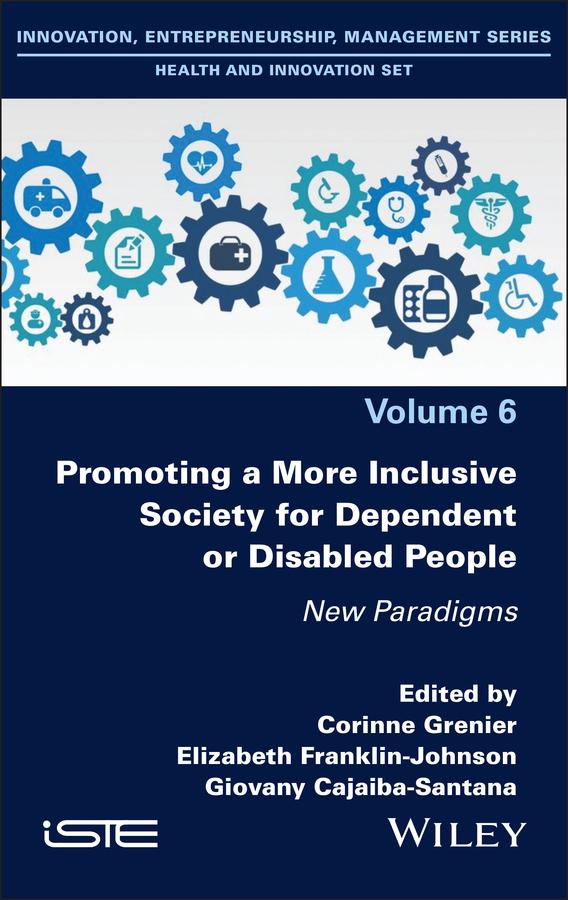
Promoting a more inclusive society for the elderly, people with disabilities and, more broadly, all of those in vulnerable situations, implies profound changes in the healthcare system in many countries.
This movement, known as “deinstitutionalization”, implies strengthening people’s participation in the decisions and activities that concern them, whether they live in an institution, in their ordinary environment, or in respect to their habits and life projects. The aim is to achieve social participation by considering the people we support as partners in our organizations, as genuine professional and institutional players who contribute to this transformation of the healthcare system.
This book brings together contributions from over 40 researchers from different countries (notably French-speaking and Canadian), as well as patients involved in research, experimentation or associations. These contributions examine the terminological and legal foundations of a more inclusive society – the different mechanisms, innovative forms of housing and ways of supporting the public and professionals in favor of inclusion – and the different models for animating territories, therefore fostering the community commitment of favoring inclusion.
This movement, known as “deinstitutionalization”, implies strengthening people’s participation in the decisions and activities that concern them, whether they live in an institution, in their ordinary environment, or in respect to their habits and life projects. The aim is to achieve social participation by considering the people we support as partners in our organizations, as genuine professional and institutional players who contribute to this transformation of the healthcare system.
This book brings together contributions from over 40 researchers from different countries (notably French-speaking and Canadian), as well as patients involved in research, experimentation or associations. These contributions examine the terminological and legal foundations of a more inclusive society – the different mechanisms, innovative forms of housing and ways of supporting the public and professionals in favor of inclusion – and the different models for animating territories, therefore fostering the community commitment of favoring inclusion.
Pay easily by card, Klarna, Apple Pay or Google Pay. Not happy? You always have a 14-day money-back guarantee. Read more in our terms. If you have any questions, email us at hello@memmo.org.
Memmo makes studying easier – wherever you are in the world. We bring your course books and smart study tools together in one place: summaries, quizzes, podcasts and flashcards. Plus Ted, your study buddy who answers anything you wonder. Over 50,000 students already study here – built to help you learn faster and stress less.