
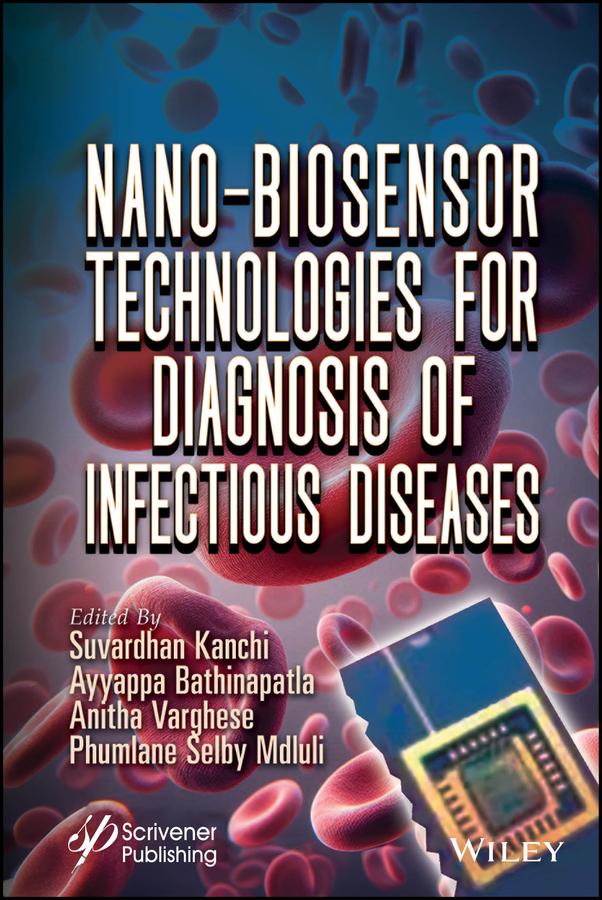
The book offers a thorough exploration of revolutionary nano-biosensor technologies that enables rapid, accurate detection of infectious diseases, critical for effective disease management in today’s world.
Nano-Biosensor Technologies for Diagnosis of Infectious Diseases delves into the cutting-edge developments in nano-biosensor technology, a transformative innovation for the field of medical diagnostics. Nano-biosensors integrate nanomaterials like nanoparticles, nanowires, and nanotubes with biological recognition elements such as antibodies, nucleic acids, or enzymes to create highly sensitive and specific detection systems. These sensors exploit unique properties of nanomaterials to detect minute quantities of pathogens or biomarkers with remarkable accuracy, enabling early diagnosis and monitoring of infectious diseases. The integration of electrochemical, optical, and piezoelectric detection mechanisms further enhances the versatility and efficiency of these nano-biosensors, allowing for rapid, real-time analysis that is crucial for effective disease management.
In the context of infectious diseases, nano-biosensors become particularly significant, as they can facilitate point-of-care testing (POCT), offering rapid and portable diagnostic solutions. This capability is invaluable in resource-limited settings and during outbreaks where traditional laboratory infrastructure may be lacking. The COVID-19 pandemic underscores the importance of swift and accurate diagnostic tools, spurring accelerated innovation and commercialization efforts in this domain. Nano-biosensors are now being developed and deployed to detect a wide range of pathogens with high sensitivity, providing a powerful tool in the global fight against infectious diseases. Nano-Biosensor Technologies for Diagnosis of Infectious Diseases provides a comprehensive overview of these technological advancements, exploring their applications, challenges, and future directions in the diagnosis and management of infectious diseases.
Audience
Biomedical engineers, material chemists, researchers, students, policymakers, and healthcare professionals interested in integrating nanomaterials in infectious disease care
Pay easily by card, Klarna, Apple Pay or Google Pay. Not happy? You always have a 14-day money-back guarantee. Read more in our terms. If you have any questions, email us at hello@memmo.org.
Memmo makes studying easier – wherever you are in the world. We bring your course books and smart study tools together in one place: summaries, quizzes, podcasts and flashcards. Plus Ted, your study buddy who answers anything you wonder. Over 50,000 students already study here – built to help you learn faster and stress less.