
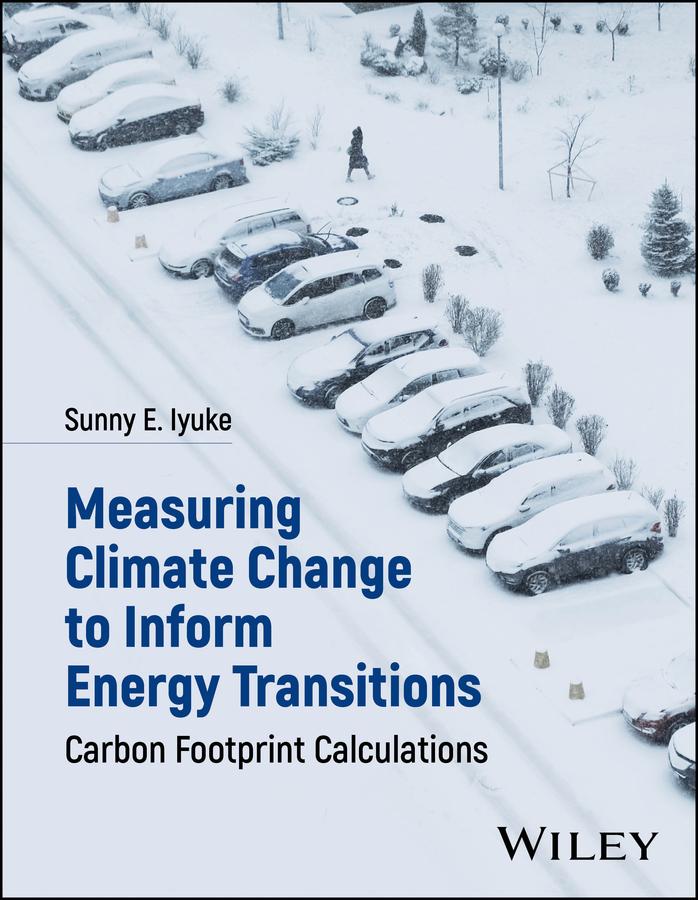
A useful assessment tool to inform energy transition decisions in view of climate change
Climate change is without question the greatest global challenge of the twenty-first century. Among its many aspects is the need for energy transitions worldwide, as sustainable energy infrastructure must be rapidly created if the world is to forestall climate catastrophe. Methods for measuring CO2 concentration and other factors producing climate change will be critical to managing this transition and assessing its early impacts.
Measuring Climate Change to Inform Energy Transitions proposes a method for measuring sinusoidal gradients of increasing temperatures and CO2 concentration in order to determine the ongoing impact of global warming and make recommendations. This method will be critical in informing key decisions as the energy transition proceeds. It is a must-read for academic, professional, and policy stakeholders looking to meet these challenges head-on.
Readers will also find:
- Concrete models and mechanisms for effecting energy transition
- Detailed discussion of topics including vegetative sinks for carbon capture, power reforms from coal, carbon footprint of internal combustion engines, skills required for green jobs and many more
- Examples and case studies to supplement quantitative analyses
This book is ideal for professionals, undergraduate and graduate students, and researchers in the energy, environmental, government, and engineering fields.
Pay easily by card, Klarna, Apple Pay or Google Pay. Not happy? You always have a 14-day money-back guarantee. Read more in our terms. If you have any questions, email us at hello@memmo.org.
Memmo makes studying easier – wherever you are in the world. We bring your course books and smart study tools together in one place: summaries, quizzes, podcasts and flashcards. Plus Ted, your study buddy who answers anything you wonder. Over 50,000 students already study here – built to help you learn faster and stress less.