
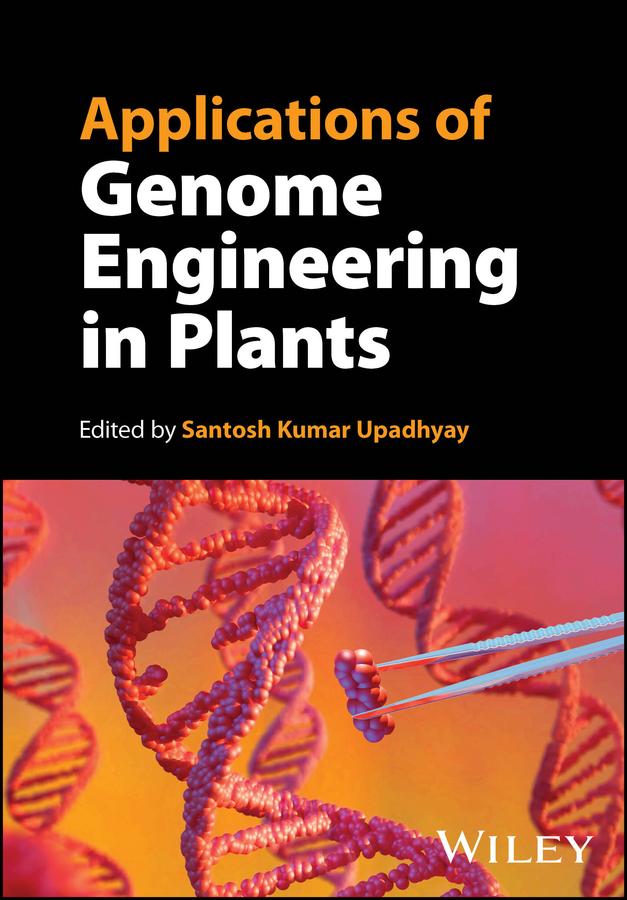
Understand the keys to creating the food of the future
Genome engineering in plants is a field that has made enormous strides in recent years. In particular, the CRISPR-Cas system has been used in a number of crop species to make significant leaps forward in nutritional improvement, stress tolerance, crop yield, and more. As scientists work to meet global food needs and foster sustainable agriculture in a changing world, genome engineering promises only to become more important.
Applications of Genome Engineering in Plants details the history of, and recent developments in, this essential area of biotechnology. It describes advances enabling nutritional improvement, nutraceuticals improvement, flavonoid enrichment, and many more crop enhancements, as well as subjects such as biosafety and regulatory mechanisms. The result is a thorough and essential overview for researchers and biotech professionals.
Applications of Genome Engineering in Plants readers will also find:
- Chapters on trans-gene free editing or non-transgenic approaches to plant genomes
- Detailed discussion of topics including nanotechnology-facilitated genome editing, engineering for virus resistance in plants, and more
- Applications of genome editing in oil seed crops, vegetables, ornamental plants, and many others
Applications of Genome Engineering in Plants is ideal for academics, scientists, and industry professionals working in biotechnology, agriculture, food science, and related subjects.
Pay easily by card, Klarna, Apple Pay or Google Pay. Not happy? You always have a 14-day money-back guarantee. Read more in our terms. If you have any questions, email us at hello@memmo.org.
Memmo makes studying easier – wherever you are in the world. We bring your course books and smart study tools together in one place: summaries, quizzes, podcasts and flashcards. Plus Ted, your study buddy who answers anything you wonder. Over 50,000 students already study here – built to help you learn faster and stress less.