
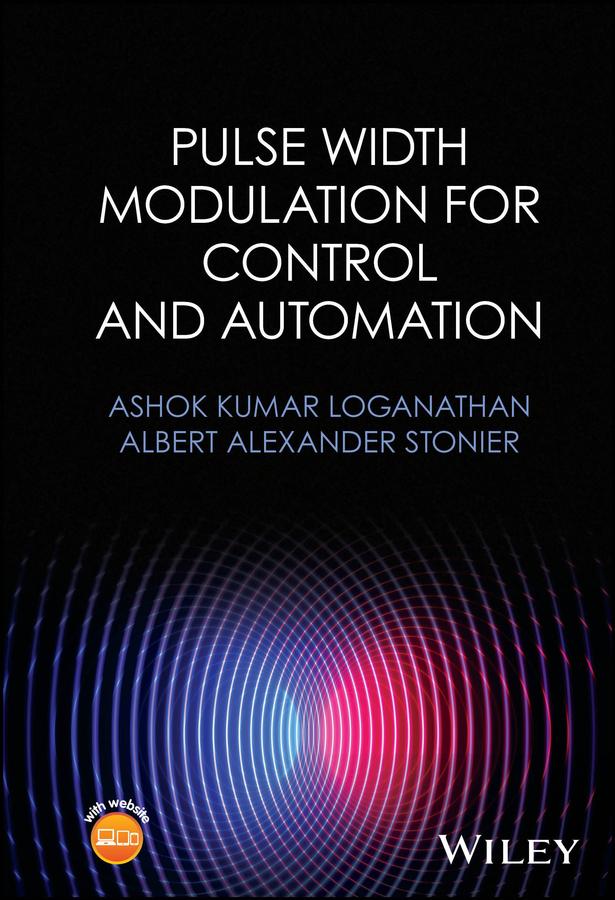
Learn to control and modify electrical output with this cutting-edge introduction
Pulse width modulation (PWM) is a method of modifying the amount of power delivered by an electrical supply by switching the electrical signal on and off at fixed intervals. The period between ‘off’ cycles—the pulse—can be adjusted to ensure that a given device is receiving no more power than it can use. PWM’s applications in electrical engineering are innumerable, and its role in controlling output from sustainable energy sources has only increased its importance in the modern energy landscape.
Pulse Width Modulation for Control and Automation provides a comprehensive overview of the wide-ranging control topologies. It combines the theoretical concepts underlying pulse width with the practice of controlling pulse width, covering both principles and practical applications. The result is a book which takes readers from fundamentals to experimental results.
Pulse Width Modulation for Control and Automation readers will also find:
- Implementation guidelines pertinent to residential, commercial, and industrial energy use, and more
- Detailed simulation exercises to reinforce learning
- Coverage of control topologies including both conventional and intelligent controllers
Pulse Width Modulation for Control and Automation is a must-have for electrical engineers and professionals working in energy systems, energy storage, and adjacent fields.
Pay easily by card, Klarna, Apple Pay or Google Pay. Not happy? You always have a 14-day money-back guarantee. Read more in our terms. If you have any questions, email us at hello@memmo.org.
Memmo makes studying easier – wherever you are in the world. We bring your course books and smart study tools together in one place: summaries, quizzes, podcasts and flashcards. Plus Ted, your study buddy who answers anything you wonder. Over 50,000 students already study here – built to help you learn faster and stress less.