
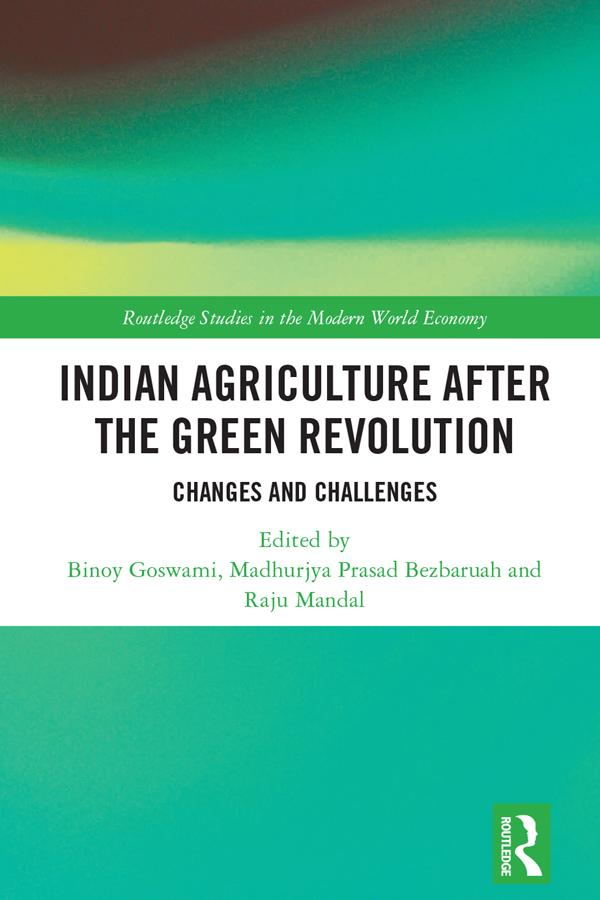
From a country plagued with chronic food shortage, the Green Revolution turned India into a food-grain self-sufficient nation within the decade of 1968-1978. By contrast, the decade of 1995-2005 witnessed a spate in suicides among farmers in many parts of the country. These tragic incidents were symptomatic of the severe stress and strain that the agriculture sector had meanwhile accumulated. The book recounts how the high achievements of the Green Revolution had overgrown to a state of this ‘agrarian crisis’. In the process, it also brings to fore the underlying resilience and innovativeness in the sector which enabled it not just to survive through the crisis but to evolve and revive out of it. The need of the hour is to create an environment that will enable the sector to acquire the robustness to contend with the challenges of lifting levels of farm income and coping with Climate Change. To this end, a multi-pronged intervention strategy has been suggested. Reviving public investment in irrigation, tuning agrarian institutions to the changed context, strengthening of market institution for better farm-market linkage and financial access of farmers, and preparing the ground for ushering in technological innovations should form the major components of this policy paradigm.
Pay easily by card, Klarna, Apple Pay or Google Pay. Not happy? You always have a 14-day money-back guarantee. Read more in our terms. If you have any questions, email us at hello@memmo.org.
Memmo makes studying easier – wherever you are in the world. We bring your course books and smart study tools together in one place: summaries, quizzes, podcasts and flashcards. Plus Ted, your study buddy who answers anything you wonder. Over 50,000 students already study here – built to help you learn faster and stress less.