
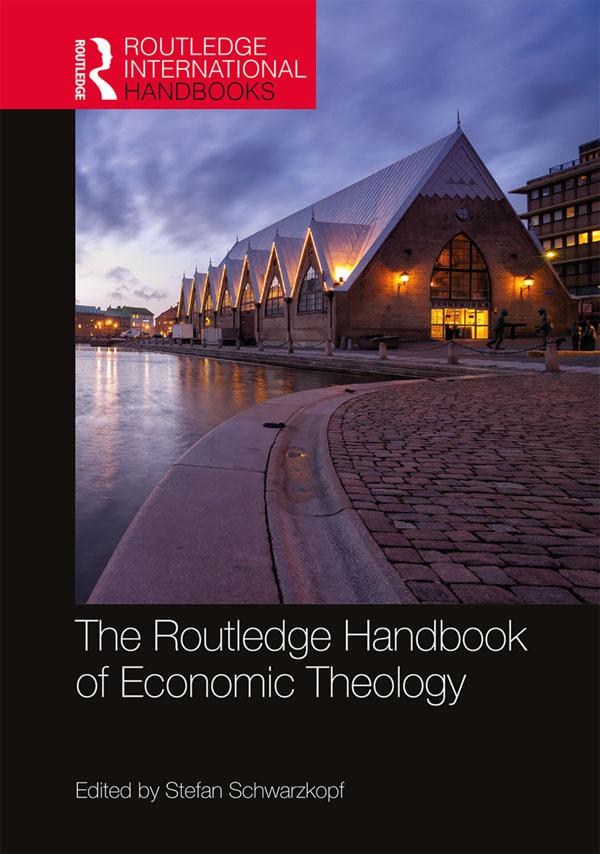
This Handbook introduces and systematically explores the thesis that the economy, economic practices and economic thought are of a profoundly theological nature. Containing more than 40 chapters, this Handbook provides a state-of-the-art reference work that offers students, researchers and policymakers an introduction to current scholarship, significant debates and emerging research themes in the study of the theological significance of economic concepts and the religious underpinnings of economic practices in a world that is increasingly dominated by financiers, managers, forecasters, market-makers and entrepreneurs.
This Handbook brings together scholars from different parts of the world, representing various disciplines and intellectual traditions. It covers the development of economic thought and practices from antiquity to neoliberalism, and it provides insight into the economic–theological teachings of major religious movements. The list of contributors combines well-established scholars and younger academic talents.
The chapters in this Handbook cover a wide array of conceptual, historical, theoretical and methodological issues and perspectives, such as the economic meaning of theological concepts (e.g. providence and faith); the theological underpinnings of economic concepts (e.g. credit and property); the religious significance of socio-economic practices in various organizational fields (e.g. accounting and work); and finally the genealogy of the theological–economic interface in Judaism, Christianity, Islam and in the discipline of economics itself (e.g. Marx, Keynes and Hayek).
The Routledge Handbook of Economic Theology is organized in four parts:
• Theological concepts and their economic meaning
• Economic concepts and their theological anchoring
• Society, management and organization
• Genealogy of economic theology
Pay easily by card, Klarna, Apple Pay or Google Pay. Not happy? You always have a 14-day money-back guarantee. Read more in our terms. If you have any questions, email us at hello@memmo.org.
Memmo makes studying easier – wherever you are in the world. We bring your course books and smart study tools together in one place: summaries, quizzes, podcasts and flashcards. Plus Ted, your study buddy who answers anything you wonder. Over 50,000 students already study here – built to help you learn faster and stress less.