
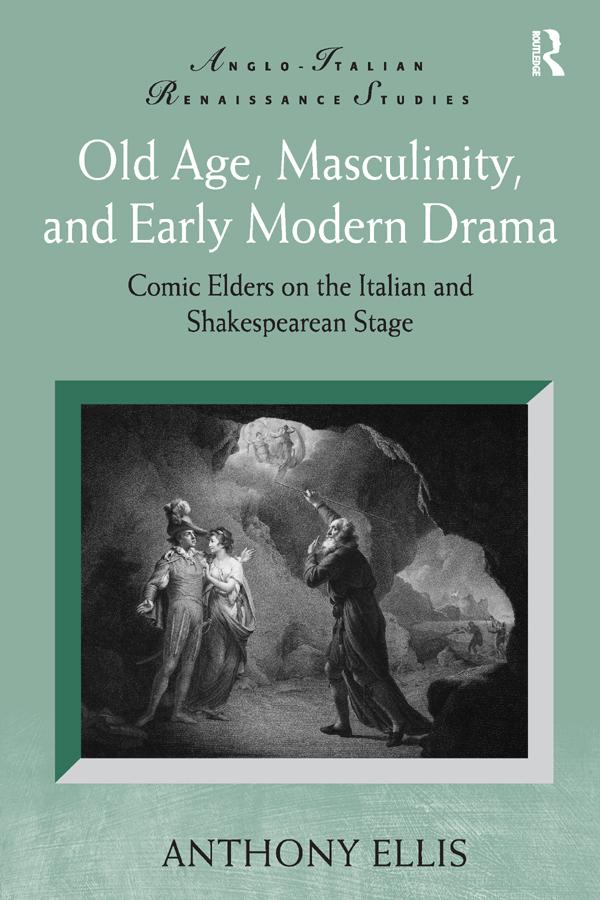
This first book-length study to trace the evolution of the comic old man in Italian and English Renaissance comedy shows how English dramatists adopted and reimagined an Italian model to reflect native concerns about and attitudes toward growing old. Anthony Ellis provides an in-depth study of the comic old man in the erudite comedy of sixteenth-century Florence; the character's parallel development in early modern Venice, including the commedia dell'arte; and, along with a consideration of Anglo-Italian intertextuality, the character's subsequent flourishing on the Elizabethan and Jacobean stage. In outlining the character's development, Ellis identifies and describes the physical and behavioral characteristics of the comic old man and situates these traits within early modern society by considering prevailing medical theories, sexual myths, and intergenerational conflict over political and economic circumstances. The plays examined include Italian dramas by Bernardo Dovizi da Bibbiena, Niccolò Machiavelli, Donato Giannotti, Lorenzino de' Medici, Andrea Calmo, and Flaminio Scala, and English works by William Shakespeare, Ben Jonson, and Thomas Dekker, along with Middleton, Rowley, and Heywood's The Old Law. Besides providing insight into stage representations of aging, this book illuminates how early modern people conceived of and responded to the experience of growing old and its social, economic, and physical challenges.
Pay easily by card, Klarna, Apple Pay or Google Pay. Not happy? You always have a 14-day money-back guarantee. Read more in our terms. If you have any questions, email us at hello@memmo.org.
Memmo makes studying easier – wherever you are in the world. We bring your course books and smart study tools together in one place: summaries, quizzes, podcasts and flashcards. Plus Ted, your study buddy who answers anything you wonder. Over 75,000 students already study here – built to help you learn faster and stress less.
You might also like
Buy the book0