
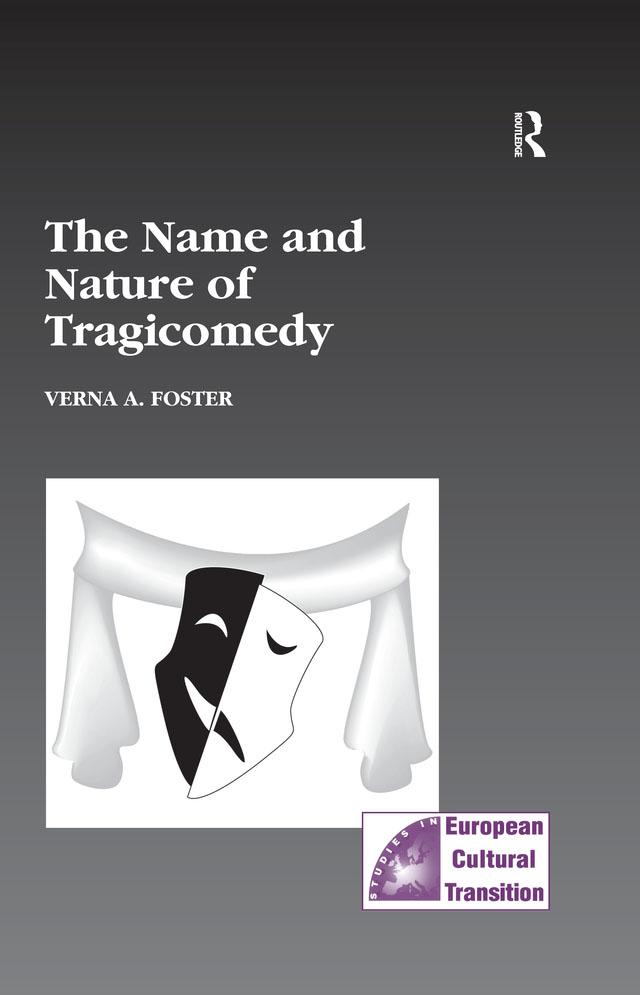
Focusing on European tragicomedy from the early modern period to the theatre of the absurd, Verna Foster here argues for the independence of tragicomedy as a genre that perceives and communicates human experience differently from the various forms of tragedy, comedy, and the drame (serious drama that is neither comic nor tragic). Foster posits that, in the sense of the dramaturgical and emotional fusion of tragic and comic elements to create a distinguishable new genre, tragicomedy has emerged only twice in the history of drama. She argues that tragicomedy first emerged and was controversial in the Renaissance; and that it has in modern times replaced tragedy itself as the most serious and moving of all dramatic genres. In the first section of the book, the author analyzes the name 'tragicomedy' and the genre's problems of identity; then goes on to explore early modern tragicomedies by Shakespeare, Beaumont and Fletcher, and Massinger. A transitional chapter addresses cognate genres. The final section of the book focuses on modern tragicomedies by Ibsen, Chekhov, Synge, O'Casey, Williams, Ionesco, Beckett and Pinter. By exploring dramaturgical similarities between early modern and modern tragicomedies, Foster demonstrates the persistence of tragicomedy's generic markers and provides a more precise conceptual framework for the genre than has so far been available.
Pay easily by card, Klarna, Apple Pay or Google Pay. Not happy? You always have a 14-day money-back guarantee. Read more in our terms. If you have any questions, email us at hello@memmo.org.
Memmo makes studying easier – wherever you are in the world. We bring your course books and smart study tools together in one place: summaries, quizzes, podcasts and flashcards. Plus Ted, your study buddy who answers anything you wonder. Over 75,000 students already study here – built to help you learn faster and stress less.
You might also like
Buy the book0