
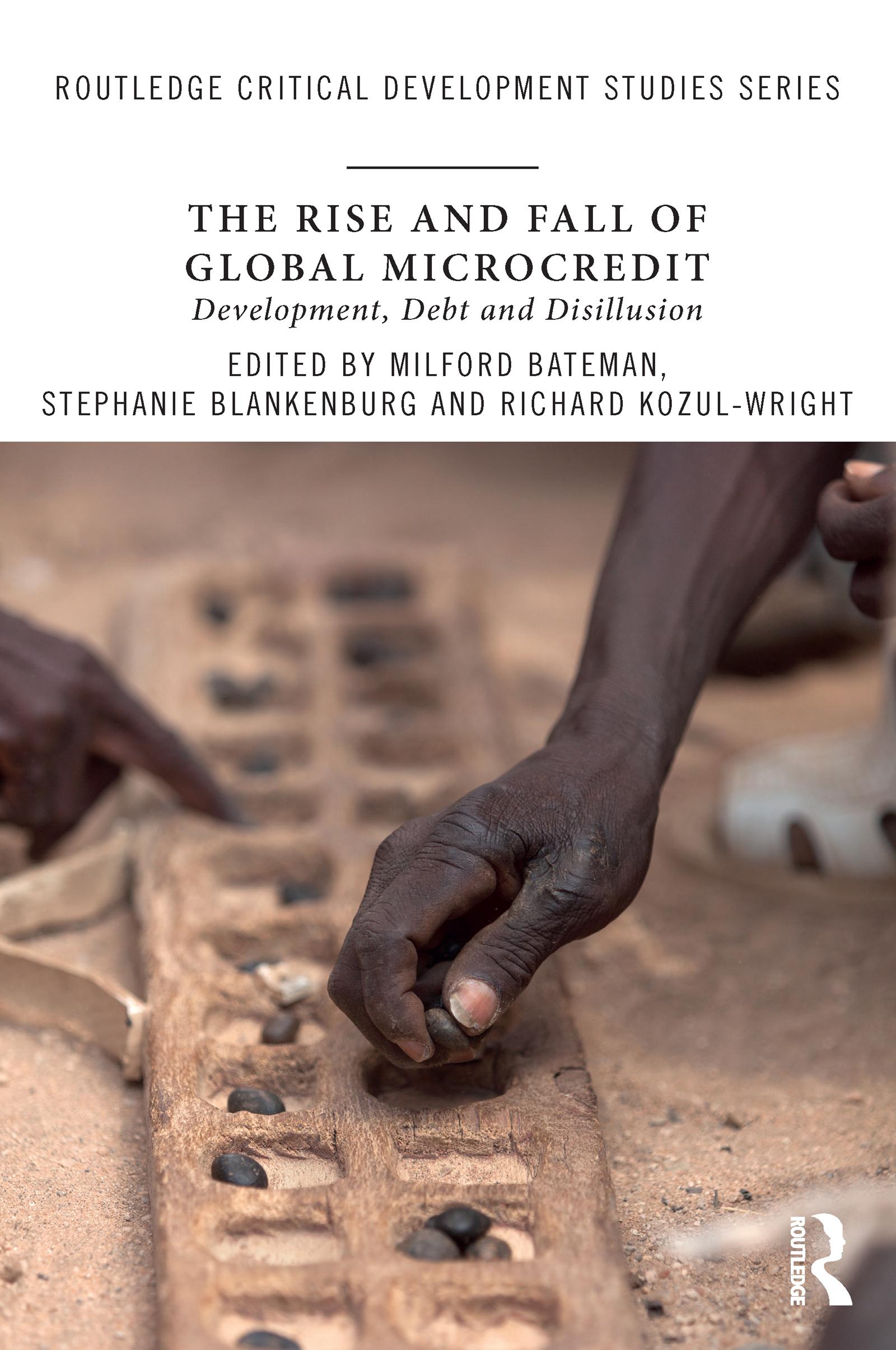
In the mid-1980s the international development community helped launch what was to quickly become one of the most popular poverty reduction and local economic development policies of all time. Microcredit, the system of disbursing tiny micro-loans to the poor to help them to establish their own income-generating activities, was initially highly praised and some were even led to believe that it would end poverty as we know it. But in recent years the microcredit model has been subject to growing scrutiny and often intense criticism. The Rise and Fall of Global Microcredit shines a light on many of the fundamental problems surrounding microcredit, in particular, the short- and long-term impacts of dramatically rising levels of microdebt.
Developed in collaboration with UNCTAD, this book covers the general policy implications of adverse microcredit impacts, as well as gathering together country-specific case studies from around the world to illustrate the real dynamics, incentives and end results. Lively and provocative, The Rise and Fall of Global Microcredit is an accessible guide for students, academics, policymakers and development professionals alike.
Pay easily by card, Klarna, Apple Pay or Google Pay. Not happy? You always have a 14-day money-back guarantee. Read more in our terms. If you have any questions, email us at hello@memmo.org.
Memmo makes studying easier – wherever you are in the world. We bring your course books and smart study tools together in one place: summaries, quizzes, podcasts and flashcards. Plus Ted, your study buddy who answers anything you wonder. Over 50,000 students already study here – built to help you learn faster and stress less.