
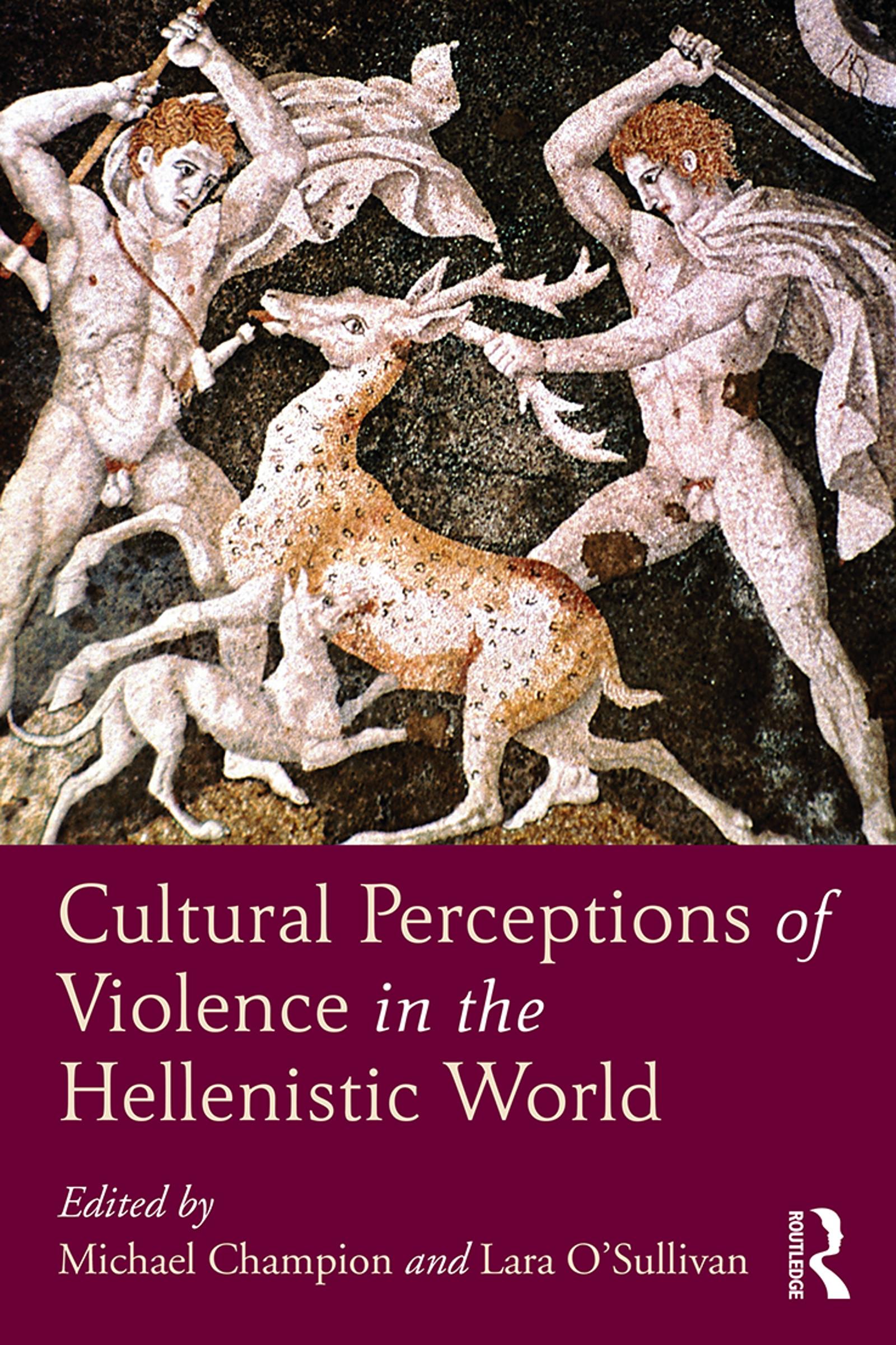
Violence had long been central to the experience of Hellenistic Greek cities and to their civic discourses. This volume asks how these discourses were shaped and how they functioned within the particular cultural constructs of the Hellenistic world. It was a period in which warfare became more professionalised, and wars increasingly ubiquitous. The period also saw major changes in political structures that led to political and cultural experimentation and transformation in which the political and cultural heritage of the classical city-state encountered the new political principles and cosmopolitan cultures of Hellenism. Finally, and in a similar way, it saw expanded opportunities for cultural transfer in cities through (re)constructions of urban space. Violence thus entered the city through external military and political shocks, as well as within emerging social hierarchies and civic institutions. Such factors also inflected economic activity, religious practices and rituals, and the artistic, literary and philosophical life of the polis.
Pay easily by card, Klarna, Apple Pay or Google Pay. Not happy? You always have a 14-day money-back guarantee. Read more in our terms. If you have any questions, email us at hello@memmo.org.
Memmo makes studying easier – wherever you are in the world. We bring your course books and smart study tools together in one place: summaries, quizzes, podcasts and flashcards. Plus Ted, your study buddy who answers anything you wonder. Over 75,000 students already study here – built to help you learn faster and stress less.