
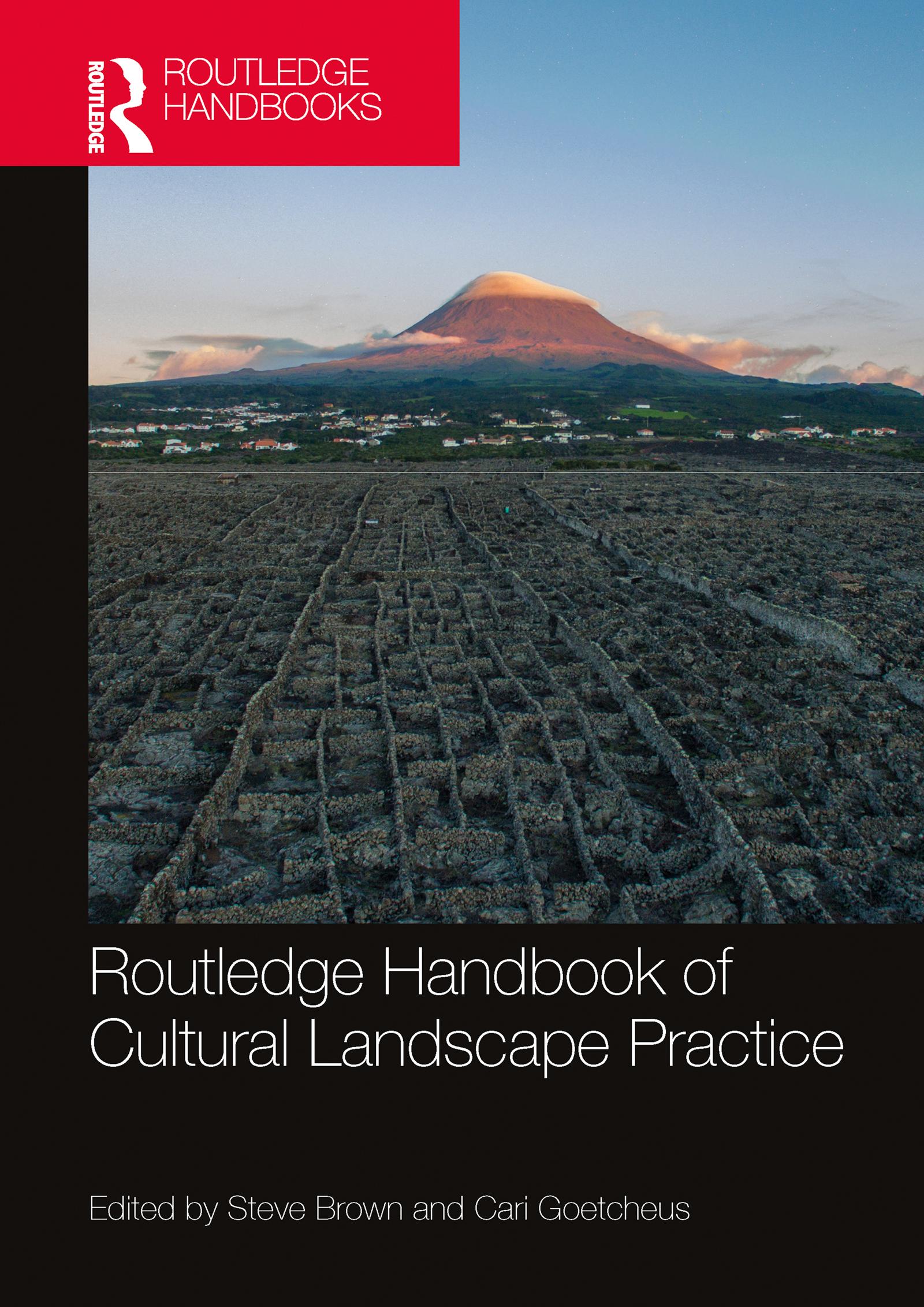
Cultural landscapes, which in the field of heritage studies and practice relates to caring for and safeguarding heritage landscapes, is a concept embedded in contemporary conservation. Heritage conservation has shifted from an historical focus on buildings, city centres, and archaeological sites to encompass progressively more diverse forms of heritage and increasingly larger geographic areas, embracing both rural and urban landscapes. While the origin of the idea of cultural landscapes can be traced to the late-19th century Euro-American scholarship, it came to global attention after 1992 following its adoption as a category of ‘site’ by the UNESCO World Heritage Committee. Today, cultural landscape practice has become increasingly complex given the expansion of the values and meanings of heritage, the influence of environmental challenges such as human induced climate change, technological advancements, and the need to better understand and interpret human connections to place and landscapes.
The aim of this handbook is to strike a balance between theory and practice, which we see as inseparable, while also seeking to achieve a geographical spread, disciplinary diversity and perspectives, and a mix of authors from academic, practitioner, management, and community backgrounds.
Pay easily by card, Klarna, Apple Pay or Google Pay. Not happy? You always have a 14-day money-back guarantee. Read more in our terms. If you have any questions, email us at hello@memmo.org.
Memmo makes studying easier – wherever you are in the world. We bring your course books and smart study tools together in one place: summaries, quizzes, podcasts and flashcards. Plus Ted, your study buddy who answers anything you wonder. Over 50,000 students already study here – built to help you learn faster and stress less.