
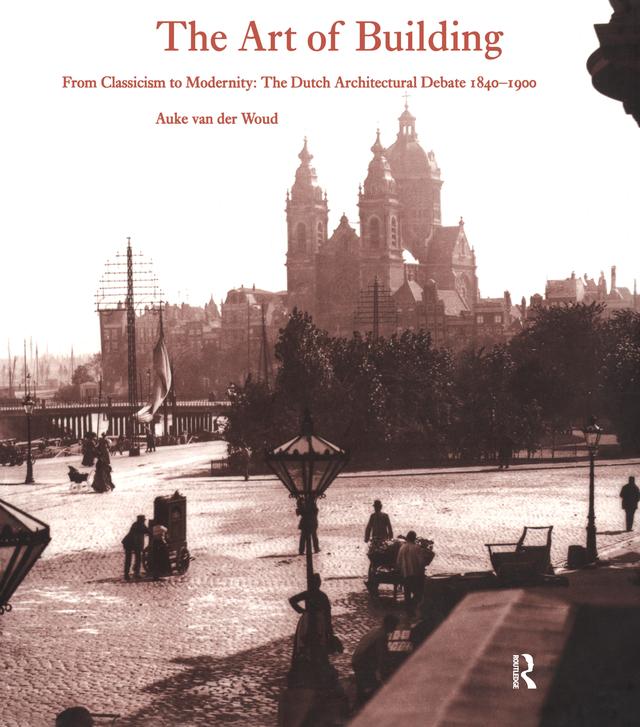
This title was first published in 2002: In the second half of the 18th century, philosophy provided the fundamental characteristics of architechture. The architects of the 19th century then introduced the empirical comparative study of buildings. This phenomenon has usually been regarded exclusively in terms of historicism, but this is to underestimate the fact that they were architects. The problems for which they sought solutions did not belong to the past, but were part of their own age or the future. The architecture of the past was, to the 19th-century architect, significant to a large degree as a silent witness of a bygone era - a representation of beauty. Historical architecture provided study material for their inquiries into the aesthetic "laws" that they hoped would give the 19th century a splendid contemporary architecture. The art of building, as a way of visibly edifying society, was the most important of all the arts, with architectural theory showing the way to this lofty purpose. This book takes this as a starting point. Focusing on place as well as time, the text discusses the Dutch architects who contributed to this idea, discussing several of the most important, but ultimately seeing their activities, not as the cause, but the expression of movements that continuously changed the face of architecture. The particularly "Dutch" nature of architecture took "visual beauty" to result from the visible success of technical intelligence and creativity rather than philosophy and aesthetics. The grand-19th century themes discussed in the book are, the author suggests, somewhat "un-Dutch", originating as they did from an idealist, intellectual tradition.
Pay easily by card, Klarna, Apple Pay or Google Pay. Not happy? You always have a 14-day money-back guarantee. Read more in our terms. If you have any questions, email us at hello@memmo.org.
Memmo makes studying easier – wherever you are in the world. We bring your course books and smart study tools together in one place: summaries, quizzes, podcasts and flashcards. Plus Ted, your study buddy who answers anything you wonder. Over 75,000 students already study here – built to help you learn faster and stress less.