
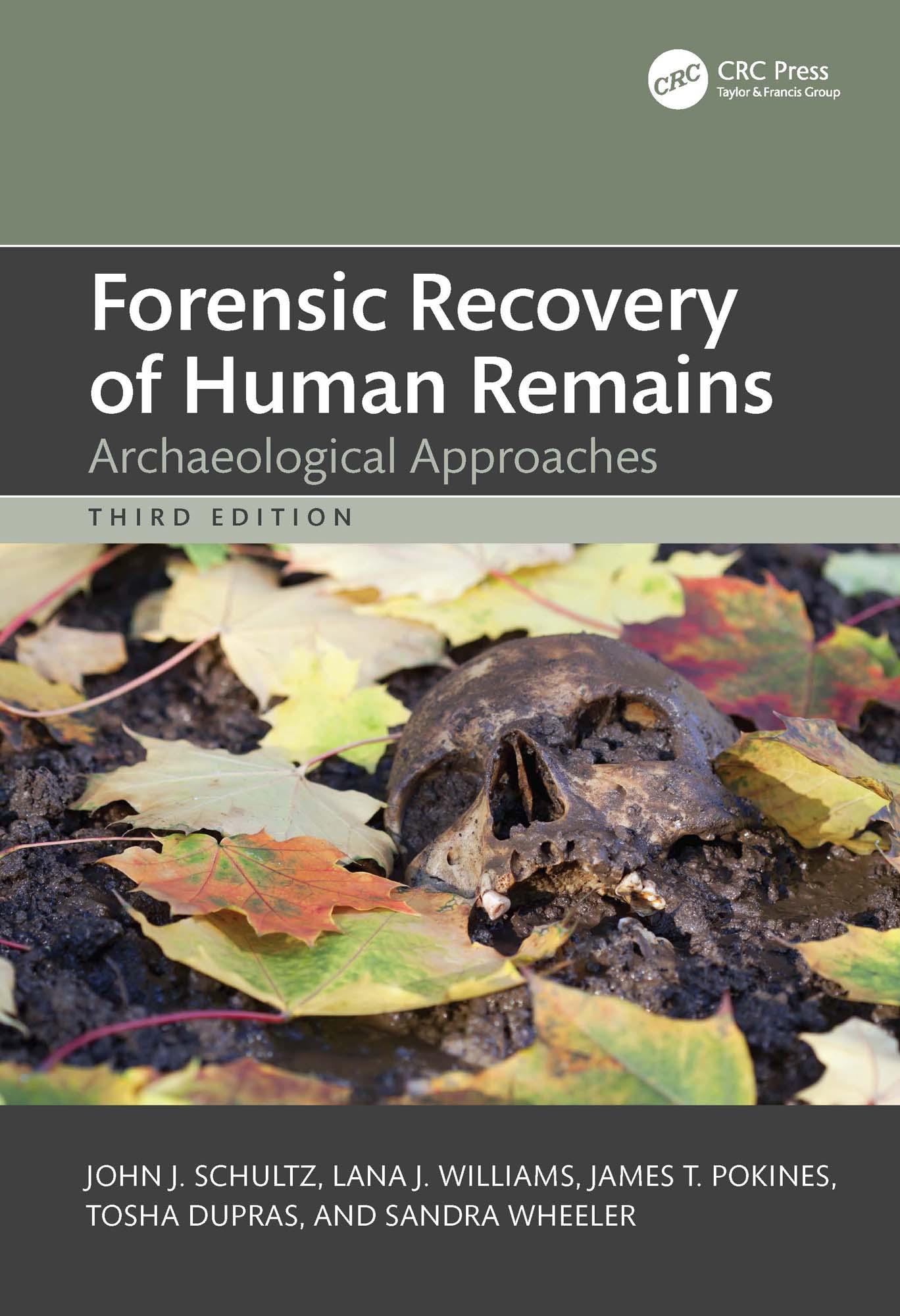
Forensic Recovery of Human Remains: Archaeological Approaches provides a comprehensive and updated guide to the search, recovery, documentation, and excavation of human remains in forensic contexts.
Recognizing that many crime scene and law enforcement personnel lack formal training in archaeological techniques and skeletal biology, this book equips readers with practical methods for processing scenes with skeletal remains and decomposing bodies, while documenting context. Coverage includes new case studies, expanded figures and tables, updated citations, and two new chapters. One chapter now focuses solely on taphonomic modifications, while the final chapter highlights how research has advanced forensic archaeology practice.
While complex scenarios such as mass burials or water recoveries should be handled by specialists, this book prepares readers to manage less complex cases, such as single burials and surface recoveries, competently. It also outlines how professionals can apply proper search and recovery techniques, ensuring that critical evidence is preserved and that forensic investigations are conducted with rigor and accuracy, from field to courtroom.
This third edition serves as an essential resource for undergraduates, graduate students, law enforcement and death scene personnel, forensic anthropology practitioners, and forensic archaeologists.
Pay easily by card, Klarna, Apple Pay or Google Pay. Not happy? You always have a 14-day money-back guarantee. Read more in our terms. If you have any questions, email us at hello@memmo.org.
Memmo makes studying easier – wherever you are in the world. We bring your course books and smart study tools together in one place: summaries, quizzes, podcasts and flashcards. Plus Ted, your study buddy who answers anything you wonder. Over 50,000 students already study here – built to help you learn faster and stress less.