
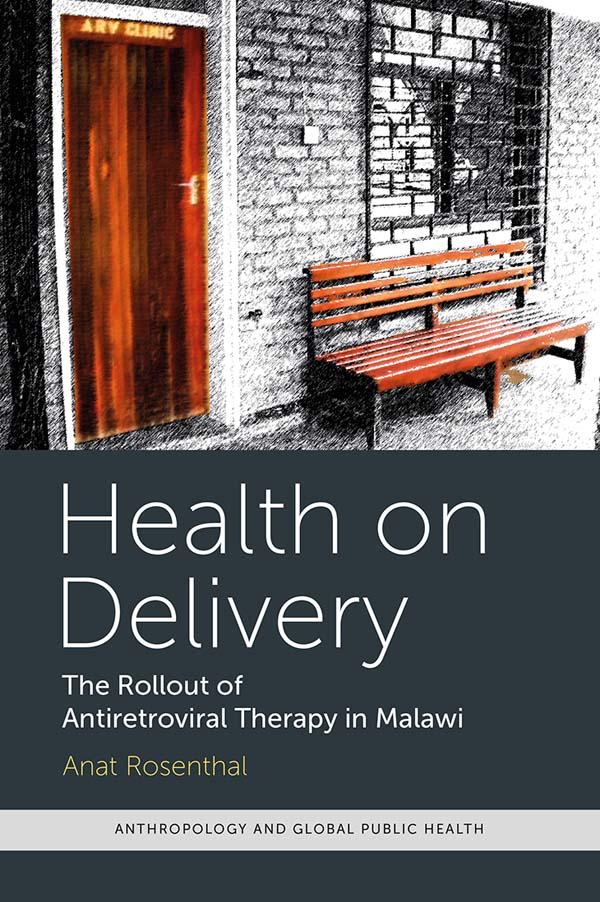
In 2004 Malawi began to offer antiretroviral therapy to anyone who needed it. This undertaking would have been ambitious for any nation, but it was unprecedented coming from one of the poorest countries in the world.
Health on Delivery examines this introduction of state-provided antiretroviral therapy from an ethnographic perspective. Moving from World Health Organization boardrooms in Geneva to clinics held under trees in rural Malawi, it studies the patients, healthcare providers, and policy-makers involved, considering how the rollout has impacted their lives and professions. In doing so, it examines both the challenges and successes of an ambitious attempt to provide universal HIV treatment with limited money, infrastructure, and human resources. As well as an important case study, the book also offers an analytic framework to address the processes by which global policy is made and implemented.
Engagingly written, Health on Delivery will be interesting reading for students and scholars of both anthropology and public health, as well as related disciplines such as geography, international politics and world development. It will also appeal to the general reader interested in global health policies and world development.
Pay easily by card, Klarna, Apple Pay or Google Pay. Not happy? You always have a 14-day money-back guarantee. Read more in our terms. If you have any questions, email us at hello@memmo.org.
Memmo makes studying easier – wherever you are in the world. We bring your course books and smart study tools together in one place: summaries, quizzes, podcasts and flashcards. Plus Ted, your study buddy who answers anything you wonder. Over 50,000 students already study here – built to help you learn faster and stress less.