
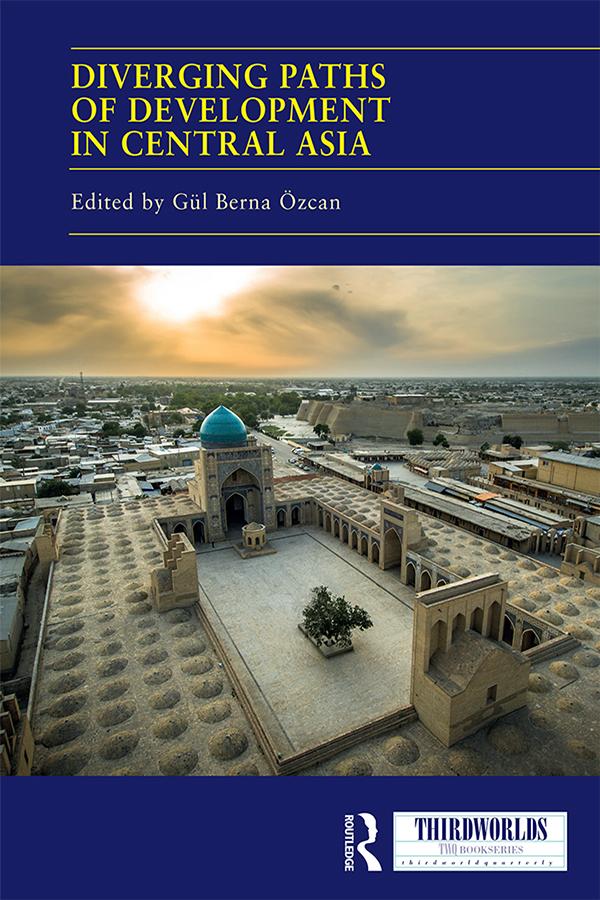
Newly gained sovereignty, uneven penetration of neo-liberal ideals and the growth of disparate capitalist markets have elicited varied responses in Central Asia. What does development mean for the political class and for ordinary citizens? What are the effects of new capitalist institutions and markets? What impact did western development blueprints and external donor engagement leave in the region?
This book illuminates the diverse realities of post-Soviet development in Central Asia through a multidisciplinary prism. The contributing articles are grounded in a range of social science disciplines including architecture, anthropology and geography. The analyses demonstrate how a synthesis of specialist knowledge from area studies and individual disciplinary methodologies can provide well-grounded critical positions on development. The book highlights the complexities of everyday routines of dispossession and coping strategies in the face of natural and manmade disasters. These experiences create deep moral anxieties under the debilitating effects of monetisation and marketisation of ordinary livelihoods, social ties and environmental resources. This book was originally published as a special issue of Central Asian Survey.
Pay easily by card, Klarna, Apple Pay or Google Pay. Not happy? You always have a 14-day money-back guarantee. Read more in our terms. If you have any questions, email us at hello@memmo.org.
Memmo makes studying easier – wherever you are in the world. We bring your course books and smart study tools together in one place: summaries, quizzes, podcasts and flashcards. Plus Ted, your study buddy who answers anything you wonder. Over 50,000 students already study here – built to help you learn faster and stress less.