
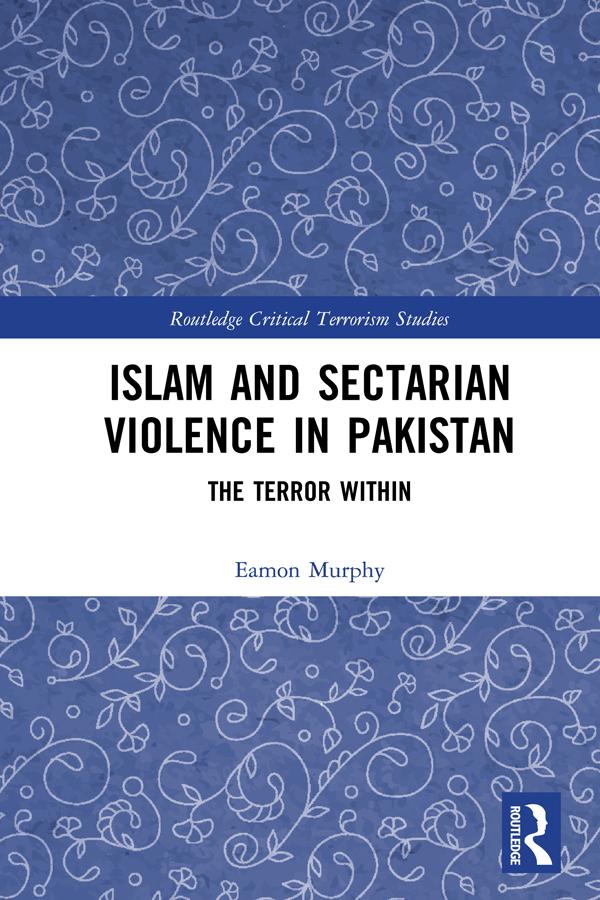
This book analyses the growth of sectarian-based terrorist violence in Pakistan, one of the Muslim majority states most affected by sectarian violence, ever since it was established in 1947.
Sectarian violence among Muslims has emerged as a major global security problem in recent years. The author argues that the upsurge in sectarian violence in Pakistan, particularly since the late 1970s, has had less to do with theological differences between the various sects of Islam, but is a consequence of the specific political, social, economic, demographic and cultural changes that have taken place in Pakistan since it was established as an independent state. A major theme of the book is the increasing violence, extent and expressions of sectarian conflict which have emerged as new forms of sectarian terrorism. The volume provides an in-depth empirical case study which addresses some major theoretical questions raised by Critical Terrorism Studies researchers in respect of the links between religion and sectarian terrorism in Pakistan and more widely.
This book will be of much interest to students of critical terrorism studies, Asian politics and history, religious studies and International Relations in general.
Pay easily by card, Klarna, Apple Pay or Google Pay. Not happy? You always have a 14-day money-back guarantee. Read more in our terms. If you have any questions, email us at hello@memmo.org.
Memmo makes studying easier – wherever you are in the world. We bring your course books and smart study tools together in one place: summaries, quizzes, podcasts and flashcards. Plus Ted, your study buddy who answers anything you wonder. Over 50,000 students already study here – built to help you learn faster and stress less.