
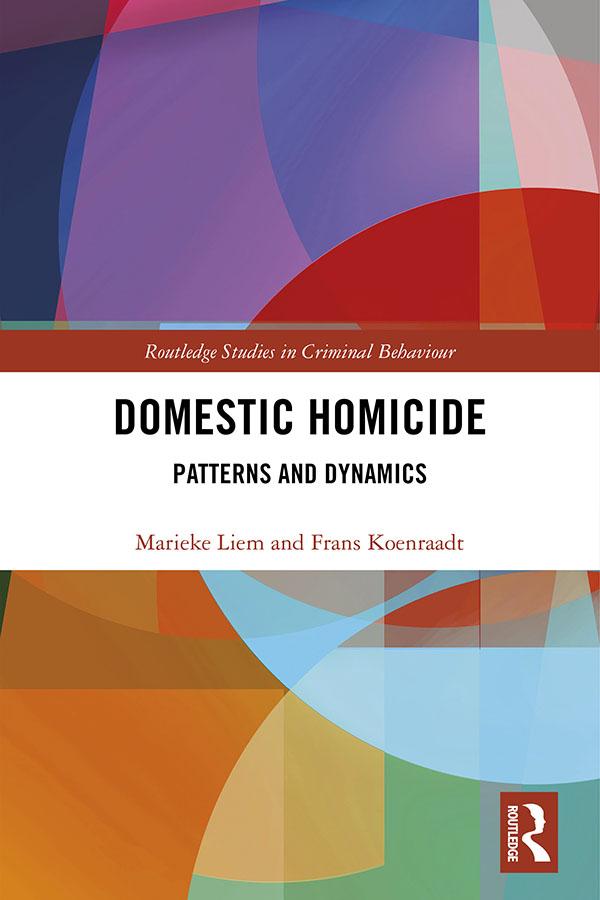
The literature on domestic violence will often treat homicide as its most extreme outcome. The reality is more nuanced, with many domestic homicides occurring within a history of abusive behaviour. This book offers a much-needed synthesis of the literature on domestic homicide, covering its history; the theories supporting it; its various forms such as filicide, intimate partner homicide, parricide, siblicide and familicide; and its prevention.
The authors explore the predominant theories that have been used to explain domestic homicides in general, as well as specific subtypes of domestic homicide. Each chapter then takes a chronological approach in examining relationships between victim and perpetrator in the most prominent types of domestic homicide. Drawing on the empirical evidence, it offers a unique insight into the dynamics of domestic homicides, and debunks some of the common stereotypes surrounding it. The book concludes with an overview of the main areas of prevention of domestic homicide and offers recommendations for professionals working in domestic violence services, medical practitioners and mental health services.
This book will be of interest to criminologists, psychiatrists, psychologists and sociologists alike, and will be key reading for a range of courses on violence, abuse and aggression.
Pay easily by card, Klarna, Apple Pay or Google Pay. Not happy? You always have a 14-day money-back guarantee. Read more in our terms. If you have any questions, email us at hello@memmo.org.
Memmo makes studying easier – wherever you are in the world. We bring your course books and smart study tools together in one place: summaries, quizzes, podcasts and flashcards. Plus Ted, your study buddy who answers anything you wonder. Over 50,000 students already study here – built to help you learn faster and stress less.