
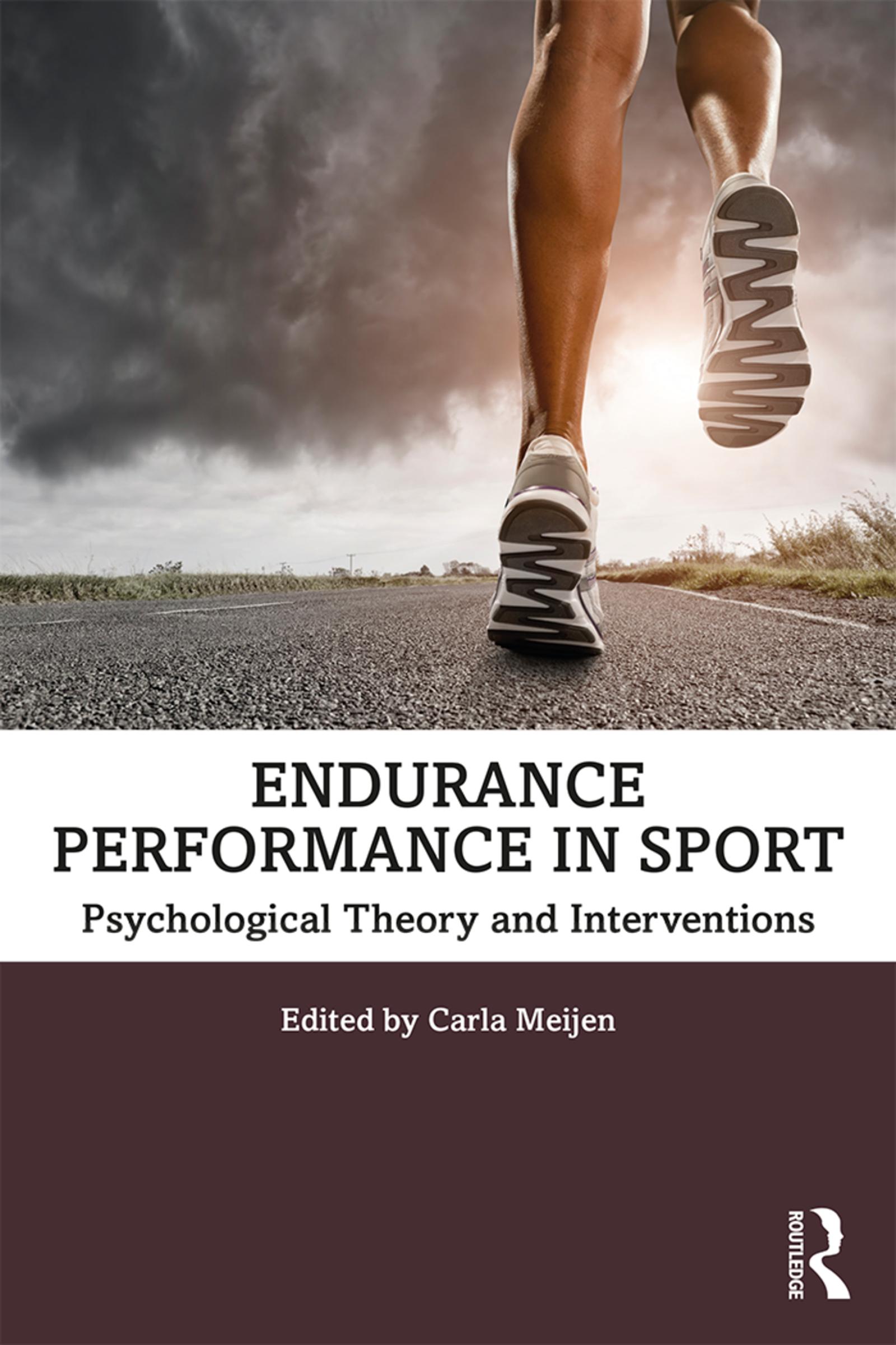
Athletes participating at all levels of endurance performance can relate to the impact of psychological factors. Whether it is motivation, self-belief, feeling nervous before a race, exercise-induced pain, sticking to a pacing strategy, or thoughts around what to focus on, there are a vast number of psychological factors which can affect endurance performance.
Bringing together experts in the field from around the world, this is the first text to provide a detailed overview of the psychology of endurance performance where there is a research and an applied focus looking at both main theoretical models as well as how interventions can support an athlete’s efficacy and well-being. The authors look at regulatory processes around pain, decision-making, self-belief, emotions, and meta-cognition, before examining a range of cognitive strategies, including the use of imagery, goals, self-talk, and mindfulness techniques. With a final section of the book outlining issues related to mental health that are relevant to endurance performance, the book shows that the future of research and application of psychological theory in endurance performance in sport is bright and thriving.
Aimed at researchers, students, coaches, and athletes themselves, this is essential reading for anyone wishing to better understand how our minds experience endurance in performance arenas, and what psychological techniques can be used to make us more efficient.
Pay easily by card, Klarna, Apple Pay or Google Pay. Not happy? You always have a 14-day money-back guarantee. Read more in our terms. If you have any questions, email us at hello@memmo.org.
Memmo makes studying easier – wherever you are in the world. We bring your course books and smart study tools together in one place: summaries, quizzes, podcasts and flashcards. Plus Ted, your study buddy who answers anything you wonder. Over 75,000 students already study here – built to help you learn faster and stress less.