
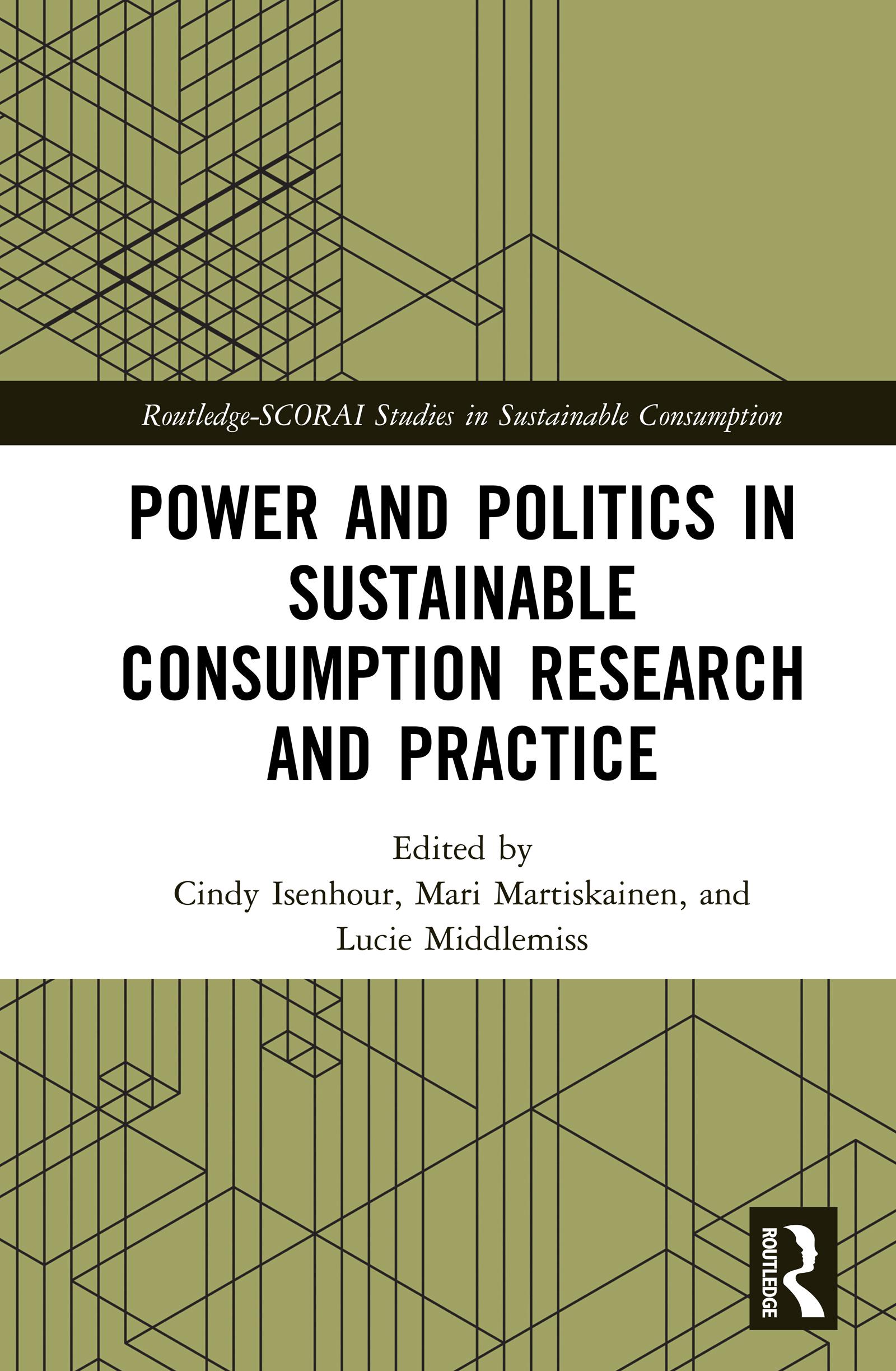
With growing awareness of environmental deterioration, atmospheric pollution and resource depletion, the last several decades have brought increased attention and scrutiny to global consumption levels. However, there are significant and well documented limitations associated with current efforts to encourage more sustainable consumption patterns, ranging from informational and time constraints to the highly individualizing effect of market-based participation.
This volume, featuring essays solicited from experts engaged in sustainable consumption research from around the world, presents empirical and theoretical illustrations of the various means through which politics and power influence (un)sustainable consumption practices, policies and perspectives. With chapters on compelling topics including collective action, behaviour-change and the transition movement, the authors discuss why current efforts have largely failed to meet environmental targets and explore promising directions for research, policy and practice.
Featuring contributions that will help the reader open up politics and power in ways that are accessible and productive and bridge the gaps with current approaches to sustainable consumption, this book will be of great interest to students and scholars of sustainable consumption and the politics of sustainability.
Pay easily by card, Klarna, Apple Pay or Google Pay. Not happy? You always have a 14-day money-back guarantee. Read more in our terms. If you have any questions, email us at hello@memmo.org.
Memmo makes studying easier – wherever you are in the world. We bring your course books and smart study tools together in one place: summaries, quizzes, podcasts and flashcards. Plus Ted, your study buddy who answers anything you wonder. Over 50,000 students already study here – built to help you learn faster and stress less.