
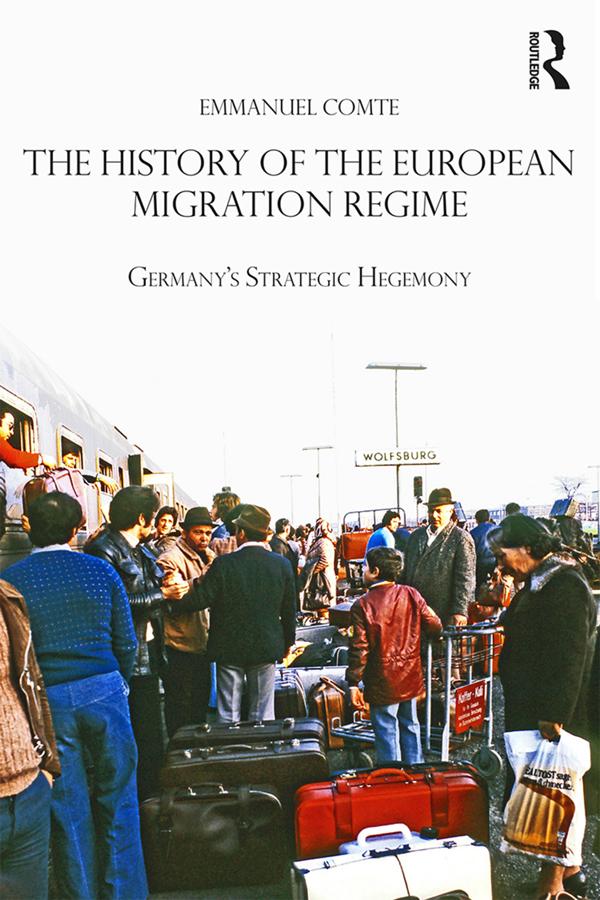
After the Second World War, the international migration regime in Europe took a course different from the global migration regime and the migration regimes in other regions of the world. Cumbersome and arbitrary administrative practices prevailed in the late 1940s in most parts of Europe. The gradual implementation of regulations for the free movement of people within the European Community, European citizenship, and the internal and external dimensions of the Schengen agreements profoundly transformed the European migration regime. These instruments produced a regional regime in Europe with an unparalleled degree of intraregional openness and an unparalleled degree of closure towards migrants from outside Europe. This book relies on national and international archives to explain how German strategies during the Cold War shaped the openness of that original regime. This migration regime helped Germany to create a stable international order in Western Europe after the war, conducive to German Reunification and supported German economic expansion. The book embraces the whole period of development of this regime, from 1947 through 1992. It deals with all types of migrants between and towards European countries: unskilled labourers, skilled professionals, self-employed workers, and migrant workers’ family members, examining both their access to economic activity and their social and political rights.
Pay easily by card, Klarna, Apple Pay or Google Pay. Not happy? You always have a 14-day money-back guarantee. Read more in our terms. If you have any questions, email us at hello@memmo.org.
Memmo makes studying easier – wherever you are in the world. We bring your course books and smart study tools together in one place: summaries, quizzes, podcasts and flashcards. Plus Ted, your study buddy who answers anything you wonder. Over 50,000 students already study here – built to help you learn faster and stress less.