
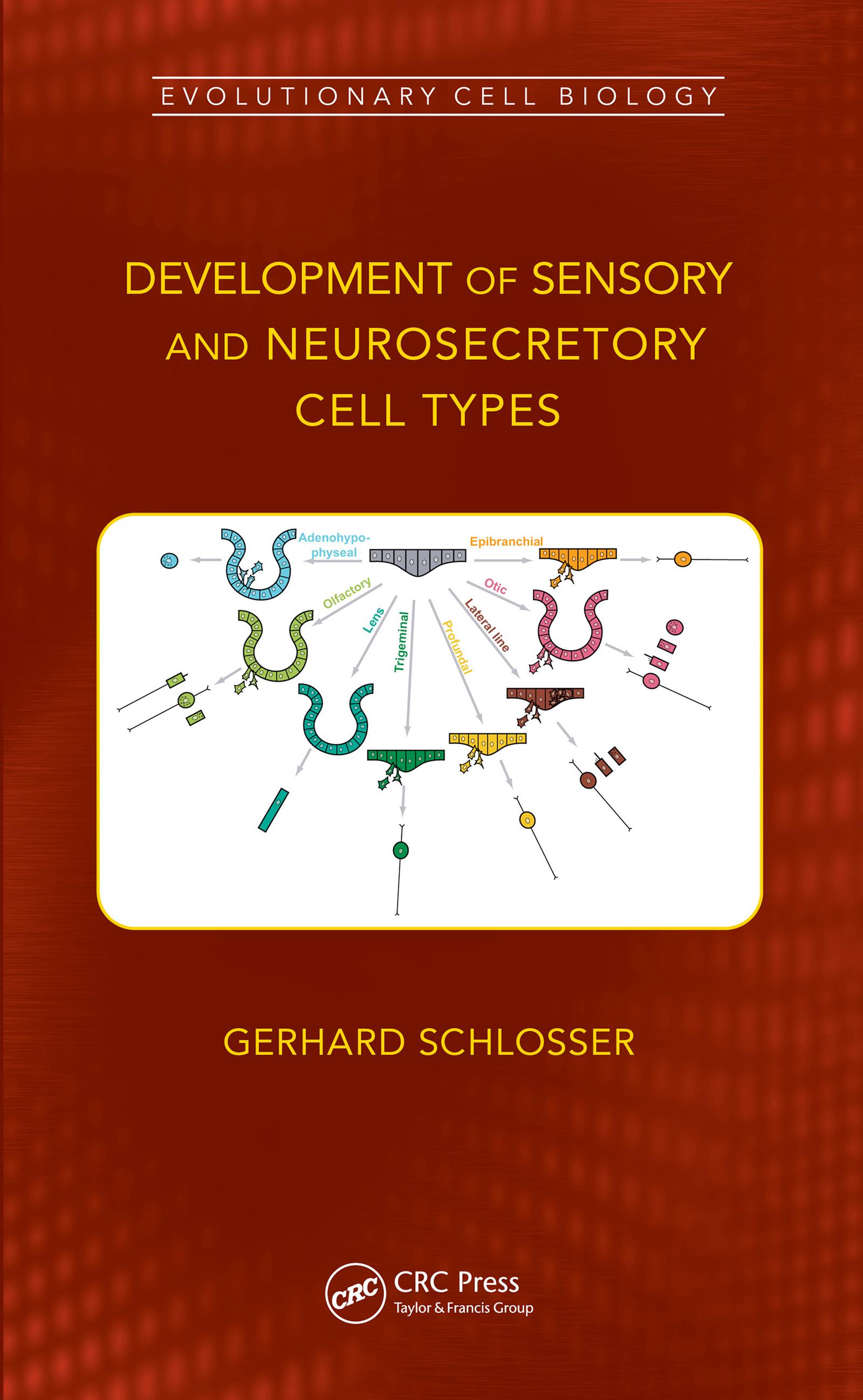
Most of the cranial sense organs of vertebrates arise from embryonic structures known as cranial placodes. Such placodes also give rise to sensory neurons that transmit information to the brain as well as to many neurosecretory cells. This book focuses on the development of sensory and neurosecretory cell types from cranial placodes by introducing the vertebrate head with its sense organs and neurosecretory organs and providing an overview of the various cranial placodes and their derivatives, including evidence of common embryonic primordia. Schlosser discusses how these primordia are established in the early embryo and how individual placodes develop. The latter chapters explain how various placodally derived sensory and neurosecretory cell types differentiate into discrete structures.
Pay easily by card, Klarna, Apple Pay or Google Pay. Not happy? You always have a 14-day money-back guarantee. Read more in our terms. If you have any questions, email us at hello@memmo.org.
Memmo makes studying easier – wherever you are in the world. We bring your course books and smart study tools together in one place: summaries, quizzes, podcasts and flashcards. Plus Ted, your study buddy who answers anything you wonder. Over 50,000 students already study here – built to help you learn faster and stress less.