
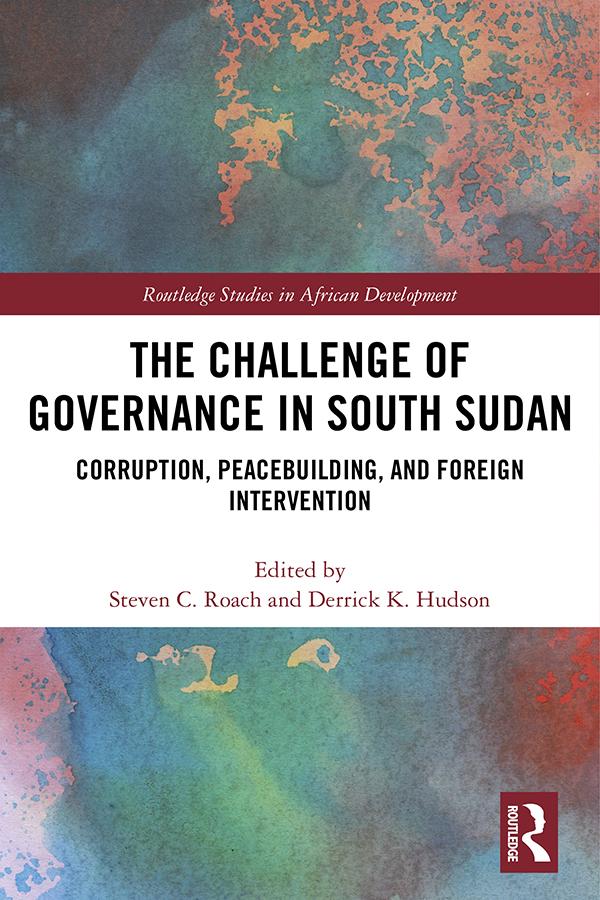
South Sudan is one of the world’s most divided and unstable countries. Since achieving statehood in 2011, the country has plunged into civil war (2013-15) and become the scene of some of the worst human rights abuses on the African continent. Despite ongoing political turmoil, states and international institutions have pledged enormous resources to stabilize the country and shore up the current peace process, but have had limited influence in dealing with the effects of rampant corruption and factionalism. The Challenge of Governance in South Sudan examines the factors that continue to haunt peace-building efforts, including the domination of the SPLM/A, factionalization, corruption, human rights atrocities, an ineffective constitution, and the role of international actors. It brings together a diverse set of leading scholars to reflect on these factors and propose ways of promoting peace and stability in South Sudan.
In particular, the book asks whether the disparity between domestic priorities/policies and foreign intervention strategies has prevented the peace process from moving forward. The contributors probe this issue by addressing the flaws of past peace agreements, poor governance, a weakly articulated peacekeeping mission, US foreign policy, and a lack of moral accountability. This book is perfect for students, scholars and policy makers with an interest in the challenges faced by the world’s newest country.
Pay easily by card, Klarna, Apple Pay or Google Pay. Not happy? You always have a 14-day money-back guarantee. Read more in our terms. If you have any questions, email us at hello@memmo.org.
Memmo makes studying easier – wherever you are in the world. We bring your course books and smart study tools together in one place: summaries, quizzes, podcasts and flashcards. Plus Ted, your study buddy who answers anything you wonder. Over 50,000 students already study here – built to help you learn faster and stress less.