
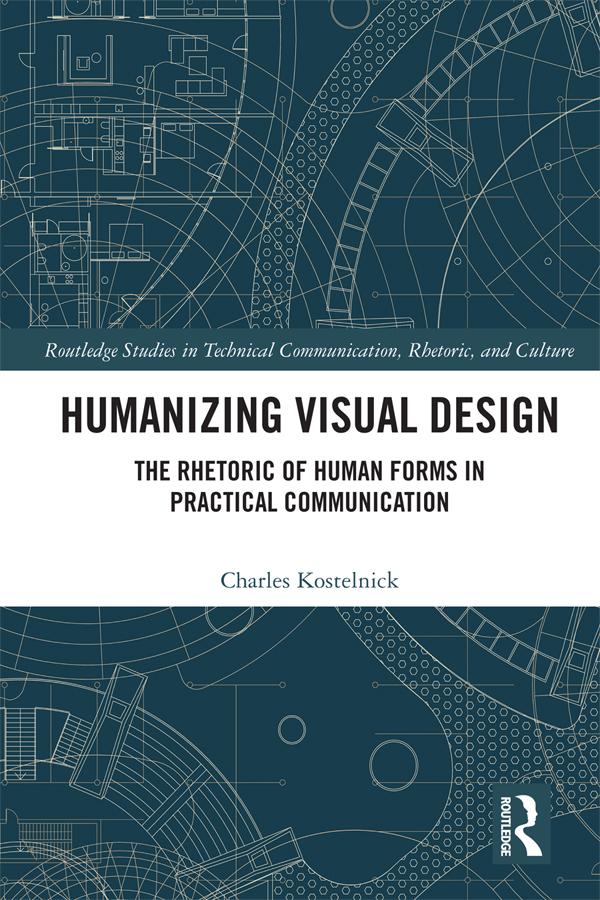
This book analyzes the role that human forms play in visualizing practical information and in making that information understandable, accessible, inviting, and meaningful to readers—in short, "humanizing" it.
Although human figures have long been deployed in practical communication, their uses in this context have received little systematic analysis. Drawing on rhetorical theory, art history, design studies, and historical and contemporary examples, the book explores the many rhetorical purposes that human forms play in functional pictures, including empowering readers, narrating processes, invoking social and cultural identities, fostering pathos appeals, and visualizing data.
The book is aimed at scholars, teachers, and practitioners in business, technical, and professional communication as well as an interdisciplinary audience in rhetoric, art and design, journalism, engineering, marketing, science, and history.
Pay easily by card, Klarna, Apple Pay or Google Pay. Not happy? You always have a 14-day money-back guarantee. Read more in our terms. If you have any questions, email us at hello@memmo.org.
Memmo makes studying easier – wherever you are in the world. We bring your course books and smart study tools together in one place: summaries, quizzes, podcasts and flashcards. Plus Ted, your study buddy who answers anything you wonder. Over 50,000 students already study here – built to help you learn faster and stress less.