
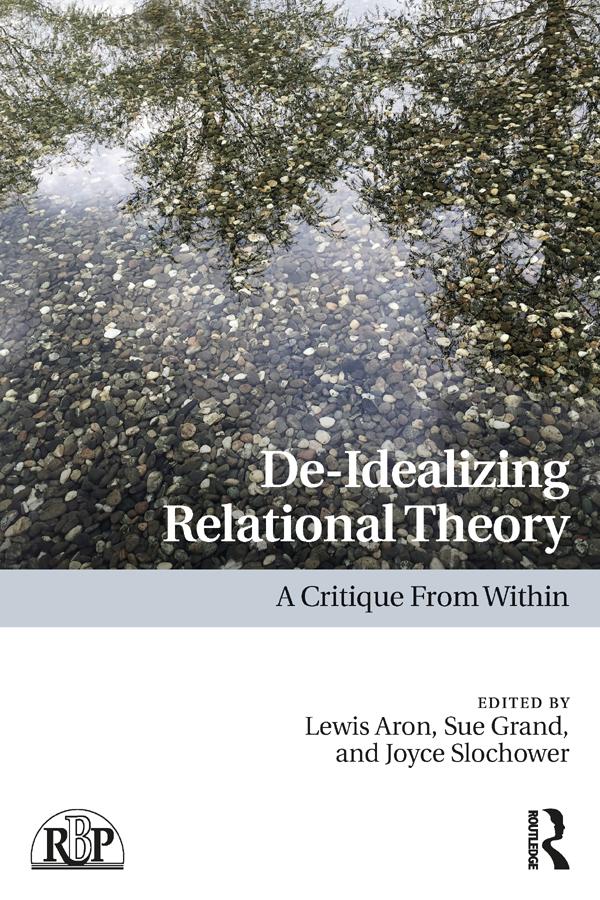
Self-examination and self-critique: for psychoanalytic patients, this is the conduit to growth. Yet within the field, psychoanalysts haven’t sufficiently utilized their own methodology or subjected their own preferred approaches to systematic and critical self-examination. Across theoretical divides, psychoanalytic writers and clinicians have too often responded to criticism with defensiveness rather than reflectivity.
De-Idealizing Relational Theory attempts to rectify this for the relational field. This book is a first in the history of psychoanalysis; it takes internal dissension and difference seriously rather than defensively. Rather than saying that the other’s reading of relational theory is wrong, distorted, or a misrepresentation, this book is interested in querying how theory lends itself to such characterizations. How have psychoanalysts participated in conveying this portrayal to their critics? Might this dissension illuminate blind-spot(s) and highlight new areas of growth?
It's a challenge to engage in psychoanalytic self-critique. To do so requires that we move beyond our own assumptions and deeply held beliefs about what moves the treatment process and how we can best function within it. To step aside from ourselves, to question the assumed, to take the critiques of others seriously, demands more than an absence of defensiveness. It requires that we step into the shoes of the psychoanalytic Other and suspend not only our theories, but our emotional investment in them. There are a range of ways in which our authors took up that challenge. Some revisted the assumptions that underlay early relational thinking and expanded their sources (Greenberg & Aron). Some took up specific aspects of relational technique and unpacked their roots and evolution (Mark, Cooper). Some offered an expanded view of what constitutes relational theory and technique (Seligman, Corbett, Grossmark). Some more directly critiqued aspects of relational theory and technique (Berman, Stern). And some took on a broader critique of relational theory or technique (Layton, Slochower).
Unsurprisingly, no single essay examined the totality of relational thinking, its theoretical and clinical implications. This task would be herculean both practically and psychologically. We're all invested in aspects of what we think and what we do; at best, we examine some, but never all of our assumptions and ideas. We recognize, retrospectively, how very challenging a task this was; it asked writers to engage in what we might think of as a self-analysis of the countertransference. Taken together these essays represent a significant effort at self-critique and we are enormously proud of it.
Each chapter critically assesses and examines aspects of relational theory and technique, considers its current state and its relations to other psychoanalytic approaches. De-Idealizing Relational Theory will appeal to all relational psychoanalysts and psychoanalytic psychotherapists.
Pay easily by card, Klarna, Apple Pay or Google Pay. Not happy? You always have a 14-day money-back guarantee. Read more in our terms. If you have any questions, email us at hello@memmo.org.
Memmo makes studying easier – wherever you are in the world. We bring your course books and smart study tools together in one place: summaries, quizzes, podcasts and flashcards. Plus Ted, your study buddy who answers anything you wonder. Over 50,000 students already study here – built to help you learn faster and stress less.