
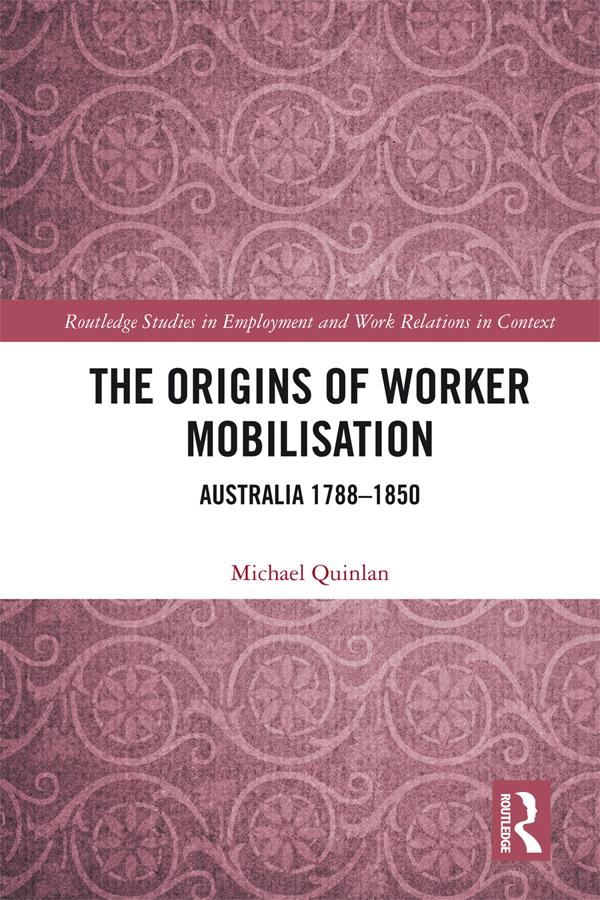
This is a book on how and why workers come together. Almost coincident with its inception, worker organisation is a central and enduring element of capitalism. In the 19th and 20th centuries’ mobilisation by workers played a substantial role in reshaping critical elements of these societies in Europe, North America, Australasia and elsewhere including the introduction of minimum labour standards (living wage rates, maximum hours etc), workplace safety and compensation laws and the rise of welfare state more generally.
Notwithstanding setbacks in recent decades, worker organisation represents a pivotal countervailing force to moderate the excesses of capitalism and is likely to become even more influential as the social consequences of rising global inequality become more manifest. Indeed, instability and periodic shifts in the respective influence of capital and labour are endemic to capitalism.
As formal institutions have declined in some countries or unions outlawed and severely repressed in others, there has been growing recognition of informal strike activity by workers and wider alliances between unions and community organisations in others. While such developments are seen as new they aren’t. Indeed, understanding of worker organisation is often ahistorical and even those understandings informed by historical research are, this book will argue, in need of revision.
This book provides a new perspective on and new insights into how and why workers organise, and what shapes this organisation. The Origins of Worker Mobilisation will be key reading for scholars, academics and policy makers the fields of industrial relations, HRM, labour economics, labour history and related disciplines.
Pay easily by card, Klarna, Apple Pay or Google Pay. Not happy? You always have a 14-day money-back guarantee. Read more in our terms. If you have any questions, email us at hello@memmo.org.
Memmo makes studying easier – wherever you are in the world. We bring your course books and smart study tools together in one place: summaries, quizzes, podcasts and flashcards. Plus Ted, your study buddy who answers anything you wonder. Over 50,000 students already study here – built to help you learn faster and stress less.