
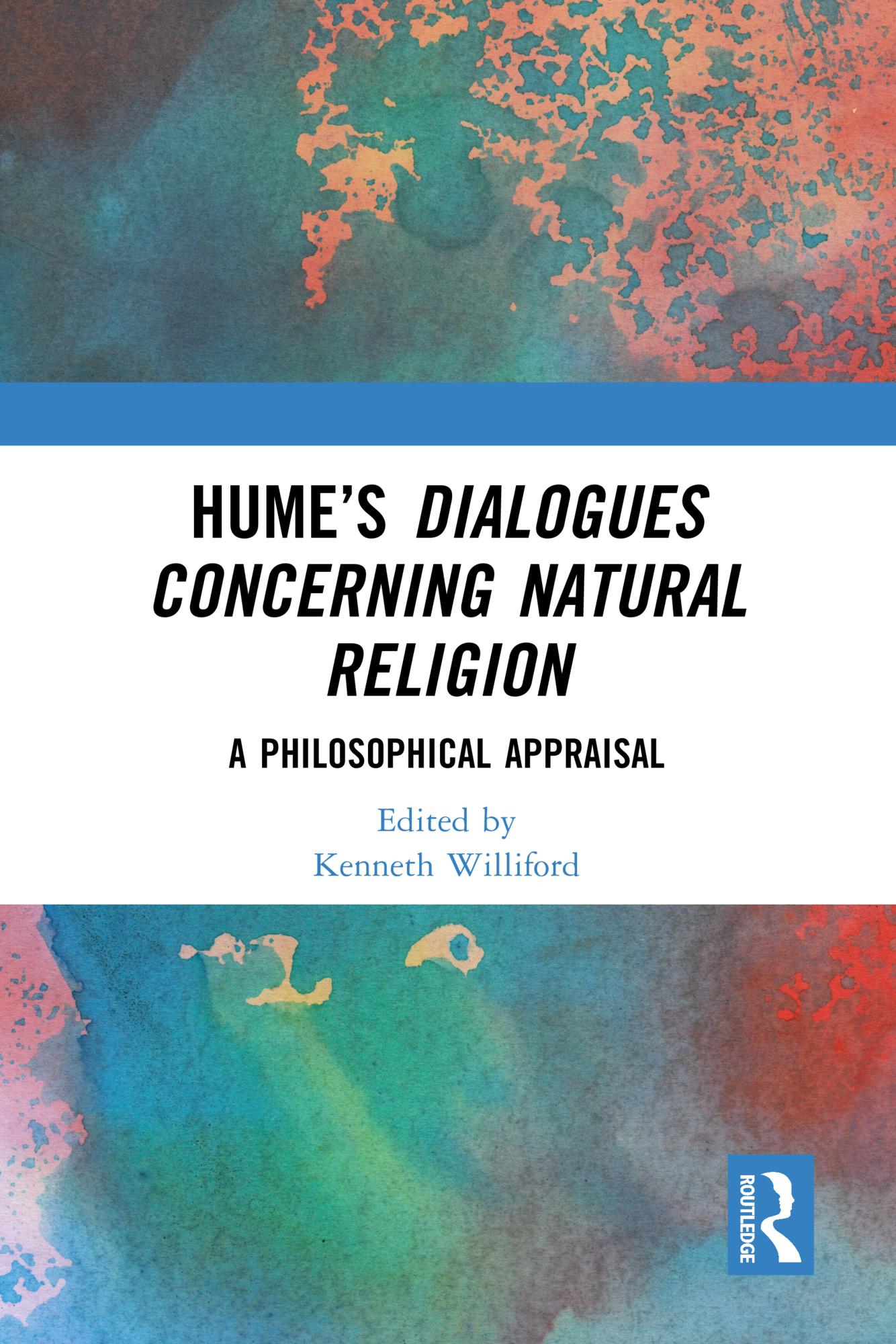
David Hume’s Dialogues Concerning Natural Religion is a philosophical and literary classic of the highest order. It is also an extremely relevant work because of its engagement with issues as alive today as in Hume’s time: the Design Argument for a deity, the Problem of Evil, the dangers of superstition and fanaticism, the psychological roots and social consequences of religion.
In this outstanding and unorthodox collection, an international team of scholars engage with Hume’s classic work. The chapters include state-of-the-art contributions on the central interpretive questions posed by the Dialogues as well as major contributions relating the work to contemporary issues in Philosophy of Religion, Philosophy of Science, Moral Psychology, and Social Philosophy. Additional contributions tackle the historical and philosophical background of the Dialogues, relating it to Hume’s own systematic philosophy, to the work of other key seventeenth and eighteenth-century figures – Locke, Clarke, Bayle, Cudworth, Malebranche, Spinoza, Lord Bolingbroke, and Voltaire, among others – to early modern neo-Epicureanism in the life sciences, and, notably, to what Darwin missed by thinking too much like William Paley and not enough like Hume’s Philo.
Overall, this volume provides fresh and even groundbreaking perspectives on Hume’s Dialogues Concerning Natural Religion. It is essential reading for students and scholars of Hume, the History of Modern Philosophy, Philosophy of Religion and the History and Philosophy of Science.
Pay easily by card, Klarna, Apple Pay or Google Pay. Not happy? You always have a 14-day money-back guarantee. Read more in our terms. If you have any questions, email us at hello@memmo.org.
Memmo makes studying easier – wherever you are in the world. We bring your course books and smart study tools together in one place: summaries, quizzes, podcasts and flashcards. Plus Ted, your study buddy who answers anything you wonder. Over 50,000 students already study here – built to help you learn faster and stress less.