
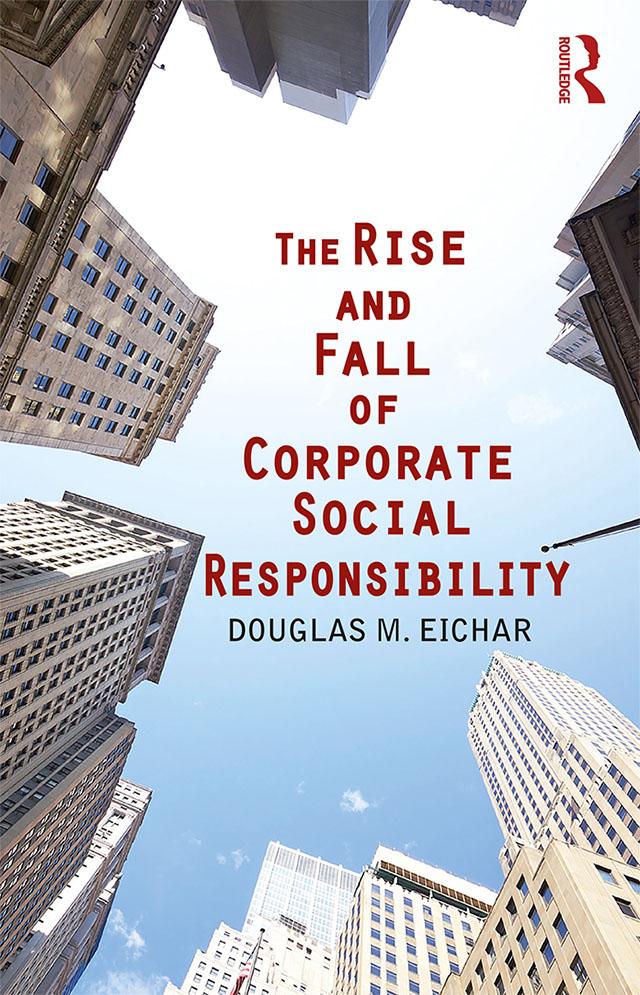
Corporate social responsibility was one of the most consequential business trends of the twentieth century. Having spent decades burnishing reputations as both great places to work and generous philanthropists, large corporations suddenly abandoned their commitment to their communities and employees during the 1980s and 1990s, indicated by declining job security, health insurance, and corporate giving.
Douglas M. Eichar argues that for most of the twentieth century, the benevolence of large corporations functioned to stave off government regulations and unions, as corporations voluntarily adopted more progressive workplace practices or made philanthropic contributions. Eichar contends that as governmental and union threats to managerial prerogatives withered toward the century's end, so did corporate social responsibility. Today, with shareholder value as their beacon, large corporations have shred their social contract with their employees, decimated unions, avoided taxes, and engaged in all manner of risky practices and corrupt politics.
This book is the first to cover the entire history of twentieth-century corporate social responsibility. It provides a valuable perspective from which to revisit the debate concerning the public purpose of large corporations. It also offers new ideas that may transform the public debate about regulating larger corporations.
Pay easily by card, Klarna, Apple Pay or Google Pay. Not happy? You always have a 14-day money-back guarantee. Read more in our terms. If you have any questions, email us at hello@memmo.org.
Memmo makes studying easier – wherever you are in the world. We bring your course books and smart study tools together in one place: summaries, quizzes, podcasts and flashcards. Plus Ted, your study buddy who answers anything you wonder. Over 50,000 students already study here – built to help you learn faster and stress less.