
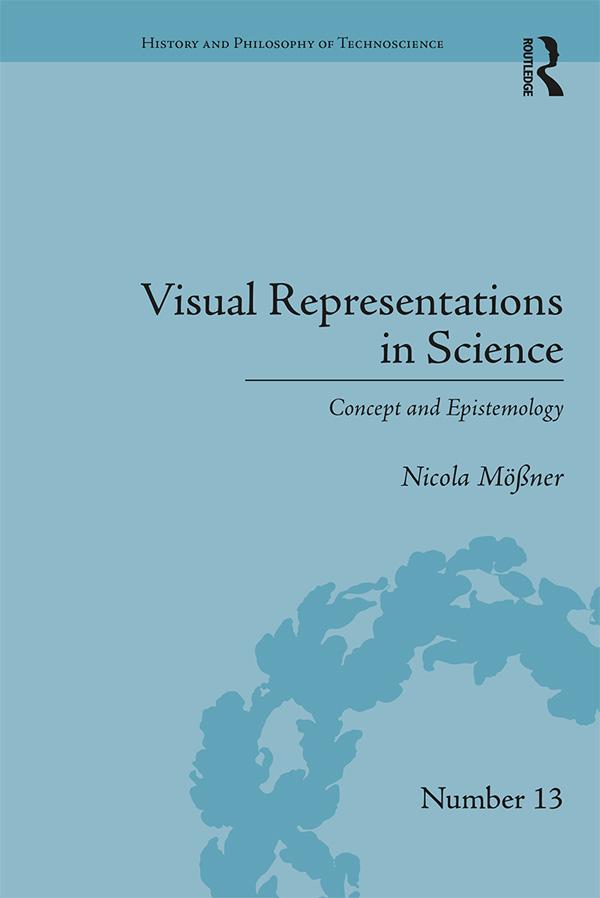
Visual representations (photographs, diagrams, etc.) play crucial roles in scientific processes. They help, for example, to communicate research results and hypotheses to scientific peers as well as to the lay audience. In genuine research activities they are used as evidence or as surrogates for research objects which are otherwise cognitively inaccessible. Despite their important functional roles in scientific practices, philosophers of science have more or less neglected visual representations in their analyses of epistemic methods and tools of reasoning in science. This book is meant to fill this gap. It presents a detailed investigation into central conceptual issues and into the epistemology of visual representations in science.
Chapter 4 of this book is freely available as a downloadable Open Access PDF at http://www.taylorfrancis.com under a Creative Commons Attribution (CC-BY) 4.0 license.
Pay easily by card, Klarna, Apple Pay or Google Pay. Not happy? You always have a 14-day money-back guarantee. Read more in our terms. If you have any questions, email us at hello@memmo.org.
Memmo makes studying easier – wherever you are in the world. We bring your course books and smart study tools together in one place: summaries, quizzes, podcasts and flashcards. Plus Ted, your study buddy who answers anything you wonder. Over 50,000 students already study here – built to help you learn faster and stress less.