
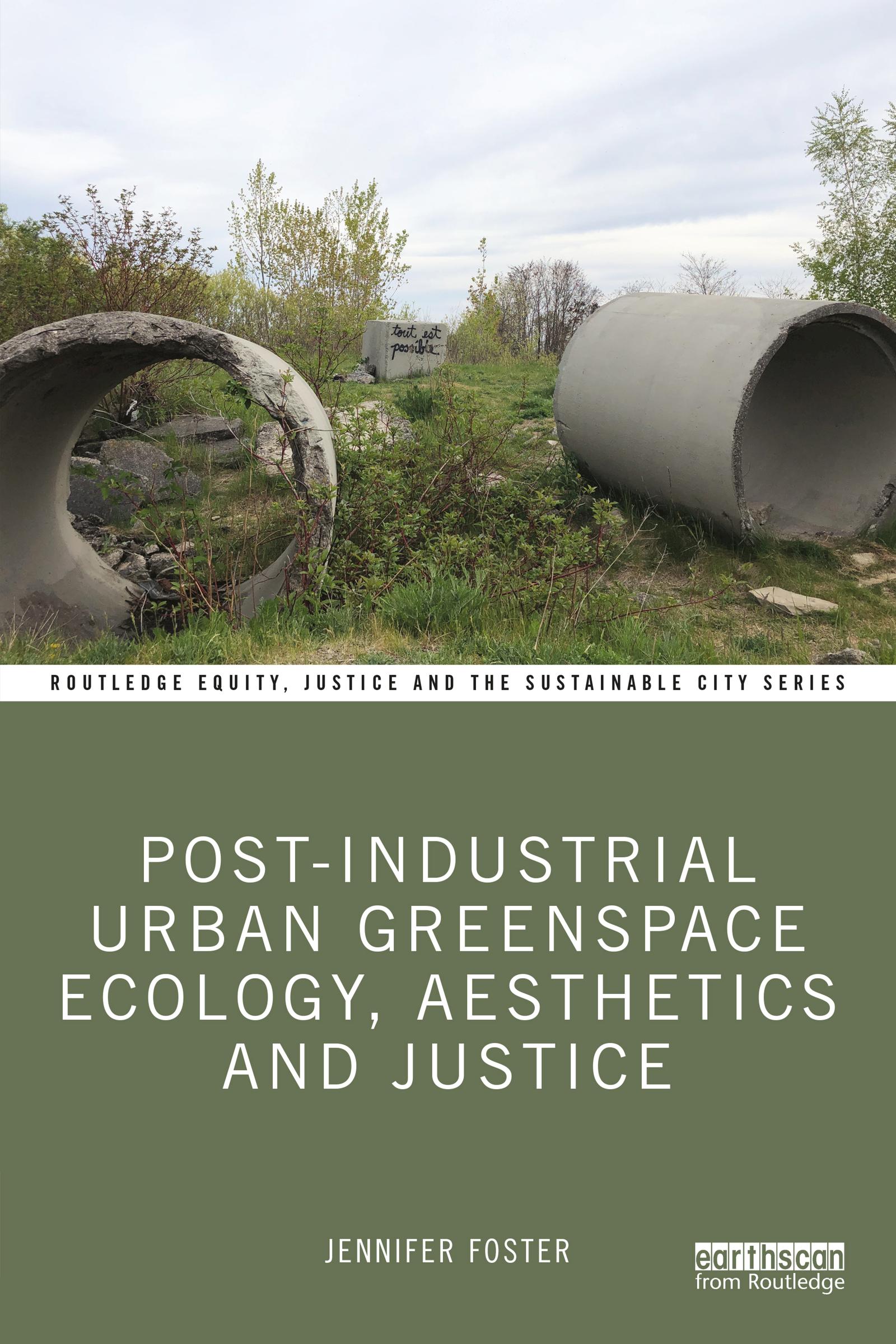
This book offers original theoretical and empirical insight into the social, cultural and ecological politics of rapidly changing urban spaces such as old factories, rail yards, verges, dumps and quarries. These environments are often disregarded once their industrial functions wane, a trend that cities are experiencing through the advance of late capitalism.
From a sustainability perspective, there are important lessons to learn about the potential prospects and perils of these disused sites. The combination of shelter, standing water and infrequent human visitation renders such spaces ecologically vibrant, despite residual toxicity and other environmentally undesirable conditions. They are also spaces of social refuge. Three case studies in Milwaukee, Paris and Toronto anchor the book, each of which offers unique analytical insight into the forms, functions and experiences of post-industrial urban greenspaces. Through this research, this book challenges the dominant instinct in Western urban planning to "rediscover" and redevelop these spaces for economic growth rather than ecological resilience and social justice.
This book will be of great interest to students and researchers of Urban Planning, Ecological Design, Landscape Architecture, Urban Geography, Environmental Planning, Restoration Ecology, and Aesthetics.
Pay easily by card, Klarna, Apple Pay or Google Pay. Not happy? You always have a 14-day money-back guarantee. Read more in our terms. If you have any questions, email us at hello@memmo.org.
Memmo makes studying easier – wherever you are in the world. We bring your course books and smart study tools together in one place: summaries, quizzes, podcasts and flashcards. Plus Ted, your study buddy who answers anything you wonder. Over 75,000 students already study here – built to help you learn faster and stress less.