
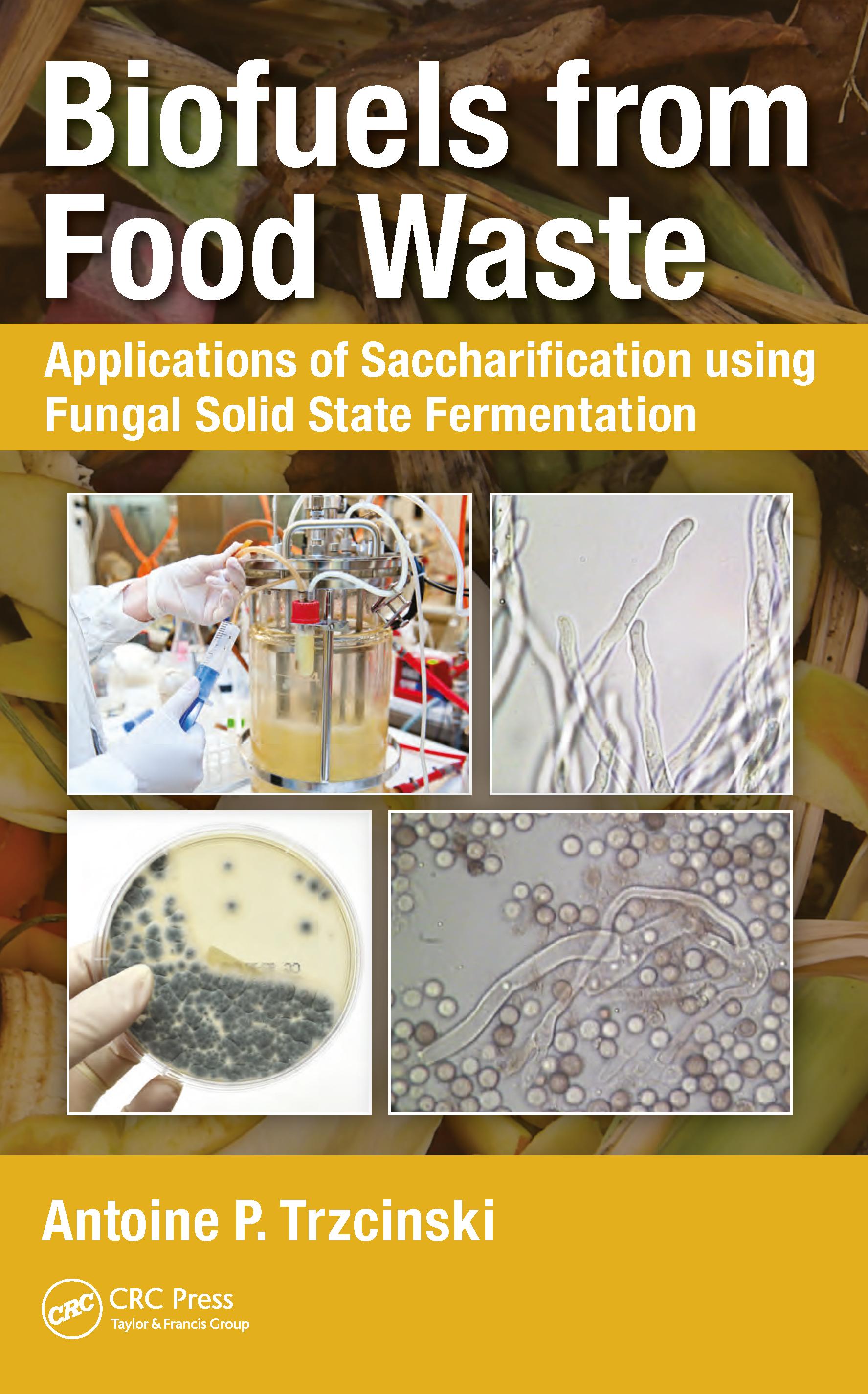
According to the UN's Food & Agricultural Organization (FAO), one third of food produced globally for human consumption (nearly 1.3 billion tons) is lost annually. Food waste has often been incinerated with other combustible municipal wastes for possible recovery of heat or other forms of energy, however, incineration is not cost-effective, and can cause air pollution. Due to its organics- and nutrient-rich nature, food waste could be viewed as a useful resource for production of high-value platform chemicals through fermentation. This book examines the bioconversion of food wastes to energy and the recent developments in ethanol, hydrogen, methane, and biodiesel production from food wastes.
Pay easily by card, Klarna, Apple Pay or Google Pay. Not happy? You always have a 14-day money-back guarantee. Read more in our terms. If you have any questions, email us at hello@memmo.org.
Memmo makes studying easier – wherever you are in the world. We bring your course books and smart study tools together in one place: summaries, quizzes, podcasts and flashcards. Plus Ted, your study buddy who answers anything you wonder. Over 50,000 students already study here – built to help you learn faster and stress less.