
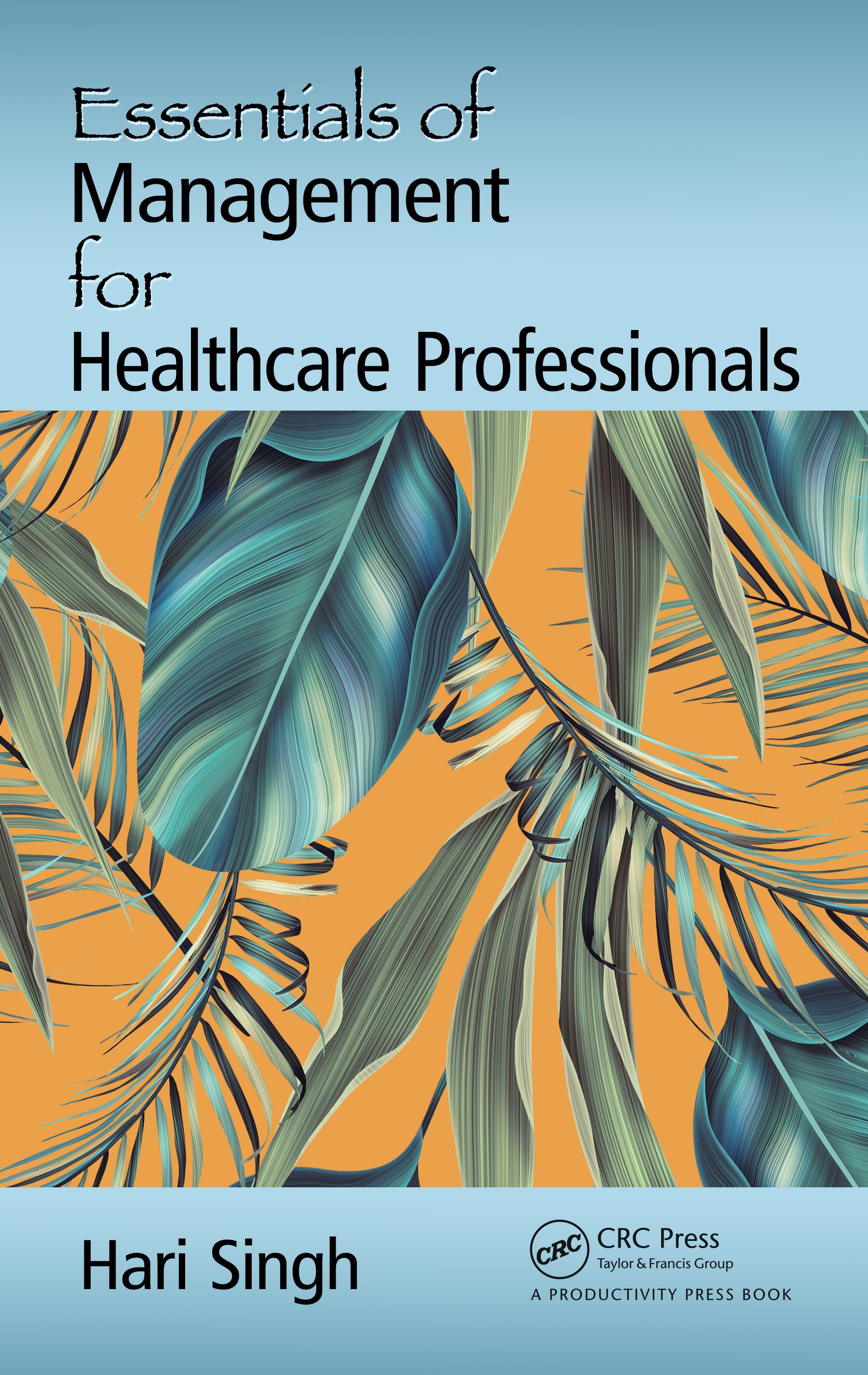
Medical care is an industry and private providers and hospitals are the major service providers. They operate on business principles. Hospitals are getting highly specialized and complex. The diagnostics and therapeutics are technology intensive. Private establishments have to compete with one another to remain in business. They strive to induct the best talent and latest technical know-how, resulting in ever-increasing costs to patients. Patients, who pay high charges, demand quality as a matter of right. To meet the challenge, hospitals are constrained to bring in professionalism in their systems and services. They appoint qualified professional managers to manage their clinics and hospitals with a view to sparing health professionals to focus on clinical care. Whether right or wrong, ‘management’ is often associated with authority and power. As a result, the medical professionals are reduced to secondary level in some organizations. To retain commanding positions in medical organizations, it has become necessary for the healthcare professionals to learn ‘management’, at least its basics.
On the other hand, non-medical managers while managing healthcare services do not get the required cooperation from the medical professionals, as the latter are often secretive and not willing to share medical knowledge. If medical knowledge is demystified, non-medical managers can perform many functions in healthcare organizations proficiently. Both medical and non-medical managers can complement each other in providing quality healthcare services.
The book aims to orient clinicians (including physicians and nurses) and other healthcare professionals on the essentials of business management and to familiarize them with management terms and jargon. They can learn to be effective managers besides being health professionals. Similarly, non- medical managers can get familiarized to nuances of clinical care and special managerial requirements of healthcare facilities. They all will be able to relate processes in healthcare settings with the concepts of business management. They can develop expertise on patient relationship management
Pay easily by card, Klarna, Apple Pay or Google Pay. Not happy? You always have a 14-day money-back guarantee. Read more in our terms. If you have any questions, email us at hello@memmo.org.
Memmo makes studying easier – wherever you are in the world. We bring your course books and smart study tools together in one place: summaries, quizzes, podcasts and flashcards. Plus Ted, your study buddy who answers anything you wonder. Over 50,000 students already study here – built to help you learn faster and stress less.