
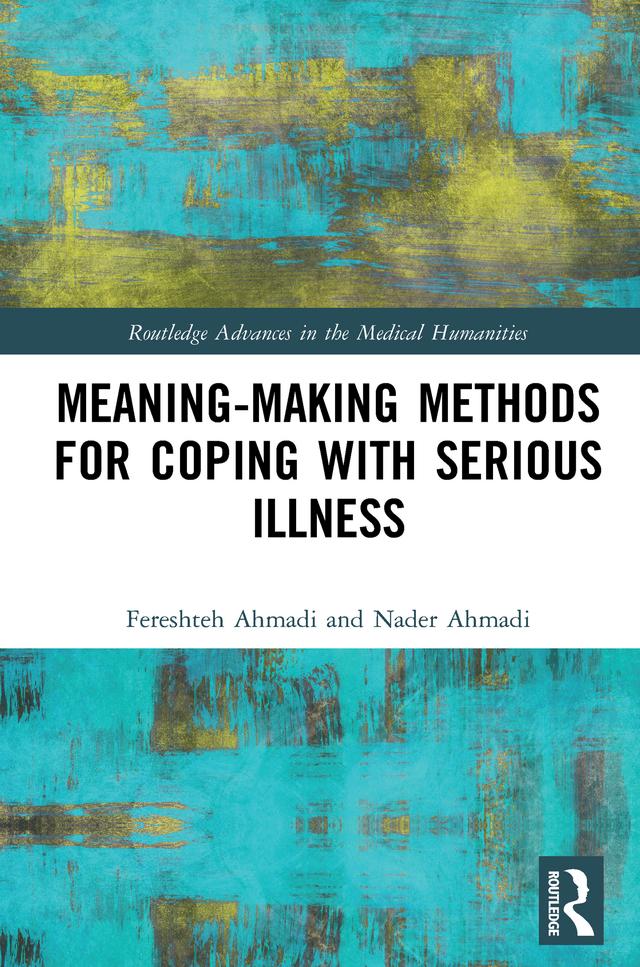
This book provides an alternative, complementary approach to the existing conventional approaches to religious and spiritually oriented coping. By focusing on the role of culture, the authors take into account the methods employed by a vast number of people who do not directly identify themselves as religious. The empirical data used in this book derive from studies conducted in several countries; Sweden, China, South Korea, Turkey and Malaysia, across which religion plays a different role in the social and cultural life of individuals. This approach and these empirical data are unique and allow comparisons to be made between different cultural settings.
By introducing the concept of meaning-making coping, the authors explore the influence of culture on choice of coping methods, be they purely religious, spiritual or existential. The term "existential meaning-making coping" is used to describe coping methods that are related to existential questions; these methods include religious, spiritual and existential coping methods.
Meaning-making Methods for Coping with Serious Illness contributes to new approaches and theoretical models of coping. As such it is an invaluable resource for health care, medical, public health and sociology students and researchers. It will also be of interest to educators and policy-makers working in the area of health.
Pay easily by card, Klarna, Apple Pay or Google Pay. Not happy? You always have a 14-day money-back guarantee. Read more in our terms. If you have any questions, email us at hello@memmo.org.
Memmo makes studying easier – wherever you are in the world. We bring your course books and smart study tools together in one place: summaries, quizzes, podcasts and flashcards. Plus Ted, your study buddy who answers anything you wonder. Over 50,000 students already study here – built to help you learn faster and stress less.