
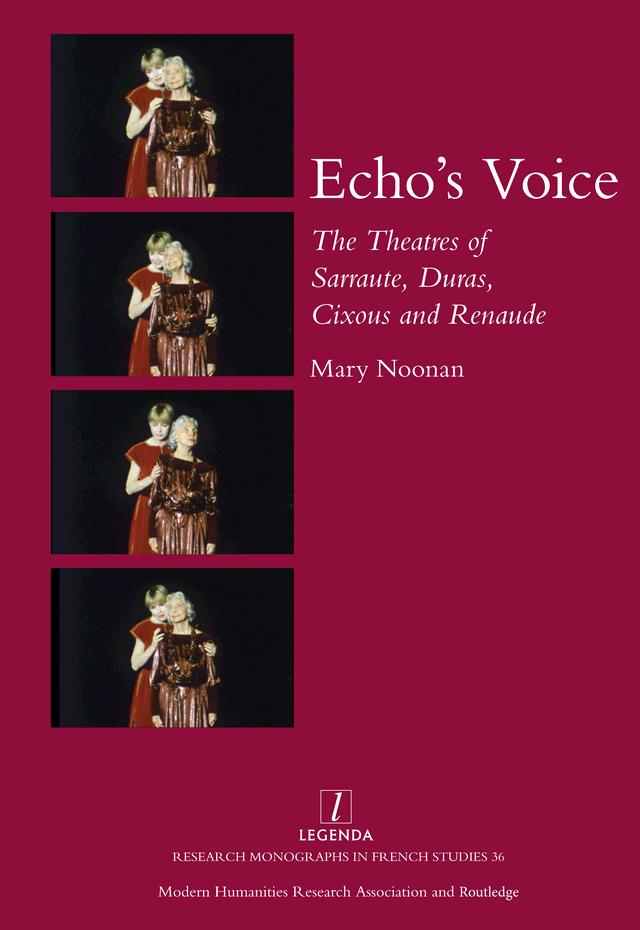
Helene Cixous (1937-), distinguished not least as a playwright herself, told Le Monde in 1977 that she no longer went to the theatre: it presented women only as reflections of men, used for their visual effect. The theatre she wanted would stress the auditory, giving voice to ways of being that had previously been silenced. She was by no means alone in this. Cixous's plays, along with those of Nathalie Sarraute (1900-99), Marguerite Duras (1914-96), and Noelle Renaude (1949-), among others, have proved potent in drawing participants into a dynamic 'space of the voice'. If, as psychoanalysis suggests, voice represents a transitional condition between body and language, such plays may draw their audiences in to understandings previously never spoken. In this ground-breaking study, Noonan explores the rich possibilities of this new audio-vocal form of theatre, and what it can reveal of the auditory self.
Pay easily by card, Klarna, Apple Pay or Google Pay. Not happy? You always have a 14-day money-back guarantee. Read more in our terms. If you have any questions, email us at hello@memmo.org.
Memmo makes studying easier – wherever you are in the world. We bring your course books and smart study tools together in one place: summaries, quizzes, podcasts and flashcards. Plus Ted, your study buddy who answers anything you wonder. Over 75,000 students already study here – built to help you learn faster and stress less.
You might also like
Buy the book0