
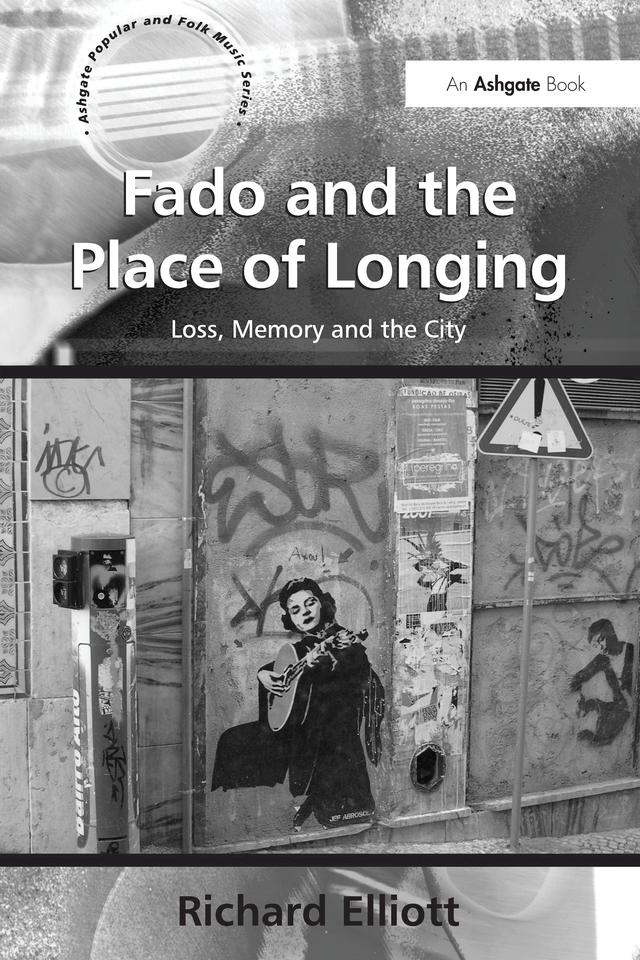
Fado, often described as 'urban folk music', emerged from the streets of Lisbon in the mid-nineteenth century and went on to become Portugal's 'national' music during the twentieth. It is known for its strong emphasis on loss, memory and nostalgia within its song texts, which often refer to absent people and places. One of the main lyrical themes of fado is the city itself. Fado music has played a significant role in the interlacing of mythology, history, memory and regionalism in Portugal in the second half of the twentieth century. Richard Elliott considers the ways in which fado songs bear witness to the city of Lisbon, in relation to the construction and maintenance of the local. Elliott explores the ways in which fado acts as a cultural product reaffirming local identity via recourse to social memory and an imagined community, while also providing a distinctive cultural export for the dissemination of a 'remembered Portugal' on the global stage.
Pay easily by card, Klarna, Apple Pay or Google Pay. Not happy? You always have a 14-day money-back guarantee. Read more in our terms. If you have any questions, email us at hello@memmo.org.
Memmo makes studying easier – wherever you are in the world. We bring your course books and smart study tools together in one place: summaries, quizzes, podcasts and flashcards. Plus Ted, your study buddy who answers anything you wonder. Over 50,000 students already study here – built to help you learn faster and stress less.
You might also like
Buy the book0