
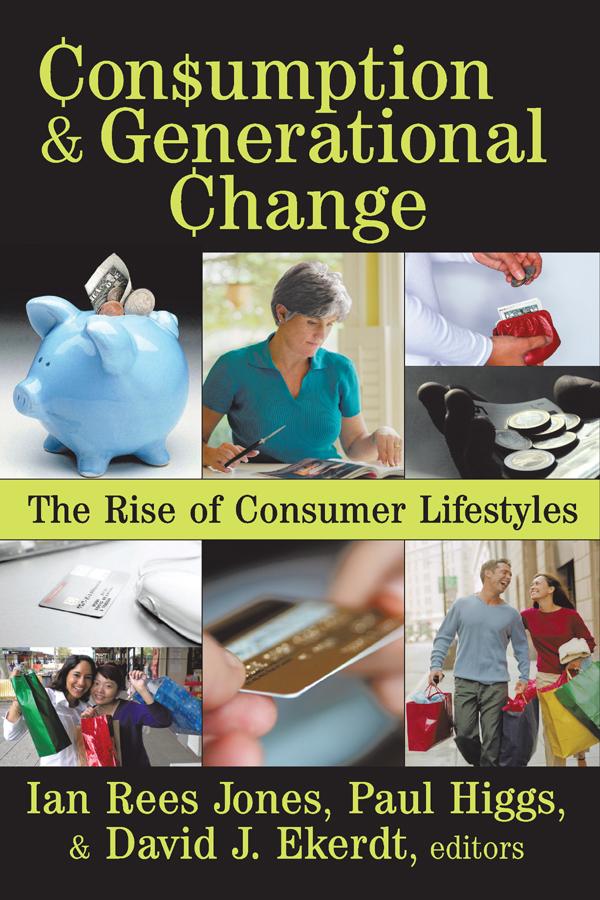
The study of consumption in social life is growing. Moving from being a relatively unimportant part of the processes of production, distribution, and exchange, questions of how people consume and to what ends now occupy center stage. Today's capitalism is exemplified by a global arena of consumption in which distance is no obstacle to distribution and ownership. Equally, social distinctions that accompanied classically "modern" forms of consumption are now more complex and fluid than classifications of "high" and "popular" culture allow.This book addresses the rise of consumer culture and the various attempts to explain and account for it. It considers the view that a particular generational framework was formed in the post-war period and has been carried on into the early twentieth century with particular consequences for the experience of later life. The rise of individualism, of mass consumption, leisure and lifestyles have been accompanied by the democratization of social forms and for many a corrosion of community and social cohesion. The text highlights how understanding is gained from examining the generational habits that developed in tandem with the rise of mass consumption.Drawing on historical perspectives and comparative studies, the book addresses social change with reference to generation effects and conflict. Having set the scene in terms of the literature on consumption, lifestyles and generational change, the volume poses key questions in relation to the transformation of later life that are addressed in turn by the contributors. This is a key volume as we enter the second decade of a new century.
Pay easily by card, Klarna, Apple Pay or Google Pay. Not happy? You always have a 14-day money-back guarantee. Read more in our terms. If you have any questions, email us at hello@memmo.org.
Memmo makes studying easier – wherever you are in the world. We bring your course books and smart study tools together in one place: summaries, quizzes, podcasts and flashcards. Plus Ted, your study buddy who answers anything you wonder. Over 50,000 students already study here – built to help you learn faster and stress less.
You might also like
Buy the book0