
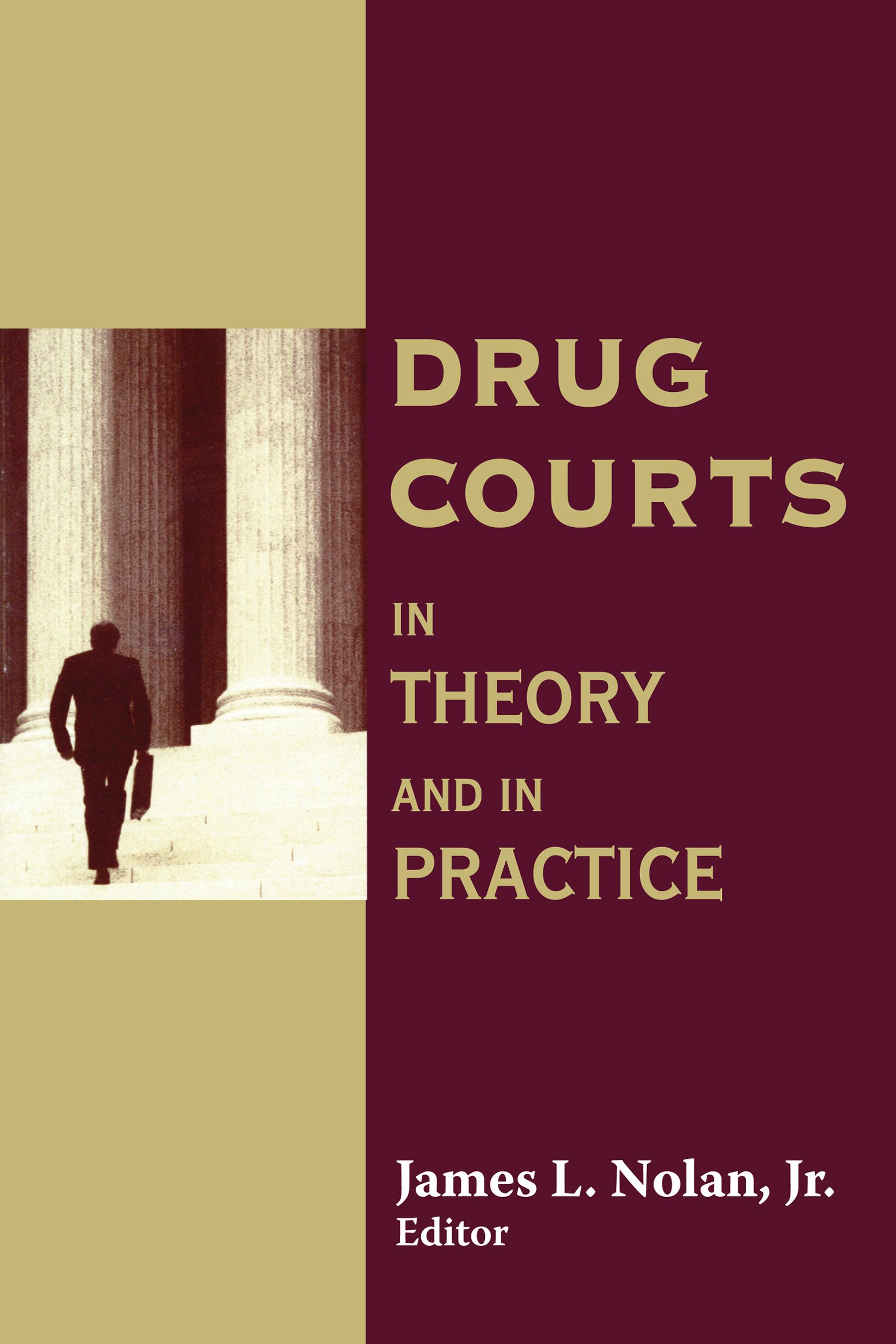
Drug courts offer offenders an intensive court-based treatment program as an alternative to the normal adjudication process. Begun in 1989, they have since spread dramatically throughout the United States. In this interdisciplinary examination of the expanding movement, a distinguished panel of legal practitioners and academics offers theoretical assessments and on-site empirical analyses of the workings of various courts in the United States, along with detailed comparisons and contrasts with related developments in Britain. Practitioners, politicians, and academics alike acknowledge the profound impact drug courts have had on the American criminal justice system. From a range of disciplinary perspectives, contributors to this volume seek to make sense of this important judicial innovation. While addressing a range of questions, Drug Courts also aims to achieve a careful balance between focused empirical studies and broader theoretical analyses of the same phenomenon. The volume maintains an analytical concentration on drug courts and on the important practical, philosophical, and jurisprudential consequences of this unique form of therapeutic jurisprudence.
Drug courts depart from the practices and procedures of typical criminal courts. Prosecutors and defense counsel play much-reduced roles. Often lawyers are not even present during regular drug court sessions. Instead, the main courtroom drama is between the judge and client, both of whom speak openly and freely in the drug court setting. Often accompanying the client is a treatment provider who advises the judge and reviews the client's progress in treatment. Court sessions are characterized by expressive and sometimes tearful testimonies about the recovery process, and are often punctuated with applause from those in attendance. Taken together, the chapters provide a variety of perspectives on drug courts, and extend our knowledge of the birth and evolution of a new movement. Drug Courts<
Pay easily by card, Klarna, Apple Pay or Google Pay. Not happy? You always have a 14-day money-back guarantee. Read more in our terms. If you have any questions, email us at hello@memmo.org.
Memmo makes studying easier – wherever you are in the world. We bring your course books and smart study tools together in one place: summaries, quizzes, podcasts and flashcards. Plus Ted, your study buddy who answers anything you wonder. Over 50,000 students already study here – built to help you learn faster and stress less.