
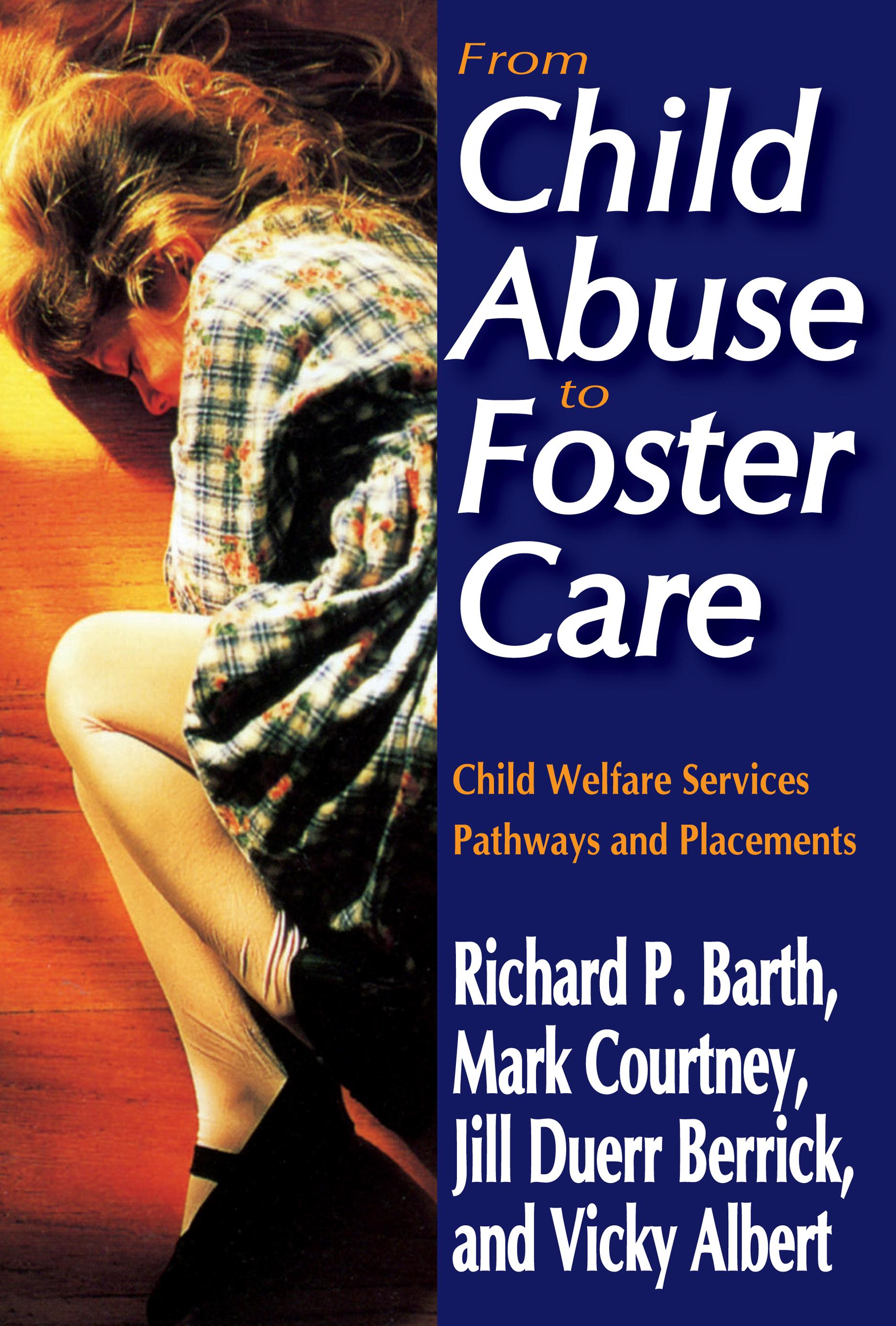
More than two million child abuse reports are filed annually on behalf of children in the United States. Each of the reported children becomes a concern, at least temporarily, of the professional who files the report, and each family is assessed by additional professionals. A substantial number of children in these families will subsequently enter foster care. Until now, the relationships between the performance of our child welfare system and the growth and outcomes of foster care have not been understood. In an effort to clarify them, Barth and his colleagues have synthesized the results of their longitudinal study in California of the paths taken by children after the initial abuse report: foster care, a return to their homes, or placement for adoption. Because of the outcomes of child welfare services in California have national significance, this is far more than a regional study. It provides a comprehensive picture of children's experiences in the child welfare system and a gauge of the effectiveness of that system. The policy implications of the California study have bearing on major federal and state initiatives to prevent child abuse and reduce unnecessary foster and group home care.
Pay easily by card, Klarna, Apple Pay or Google Pay. Not happy? You always have a 14-day money-back guarantee. Read more in our terms. If you have any questions, email us at hello@memmo.org.
Memmo makes studying easier – wherever you are in the world. We bring your course books and smart study tools together in one place: summaries, quizzes, podcasts and flashcards. Plus Ted, your study buddy who answers anything you wonder. Over 50,000 students already study here – built to help you learn faster and stress less.
You might also like
Buy the book0